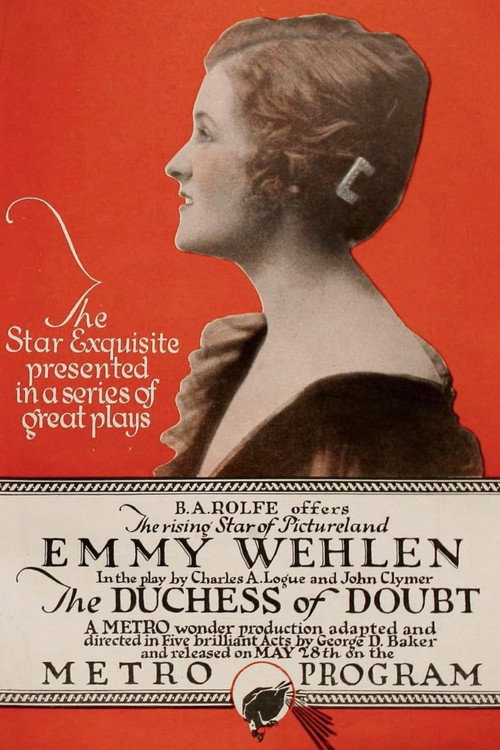
The Duchess of Doubt 1917
In "The Duchess of Doubt (1917)", George D. Baker crafts a charming silent-era comedy-romance that blends social satire with a dash of Cinderella-like transformation.
Director: George D. Baker
Cast
Frequently Asked Questions
What is The Duchess of Doubt (1917) about?
The film follows Clover Ames, a mistreated maid who inherits a fortune and reinvents herself as a duchess at a luxurious winter resort. There, she falls in love with a man posing as a simple clerk, sparking a series of comedic and romantic mishaps as her secrets unravel.
Who directed The Duchess of Doubt?
George D. Baker directed this 1917 silent comedy-romance, known for his skillful storytelling and visual wit.
Who stars in The Duchess of Doubt?
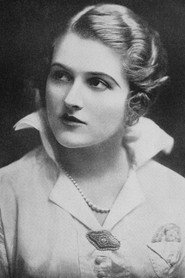
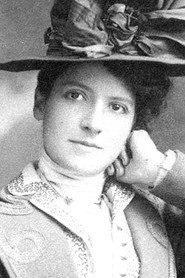
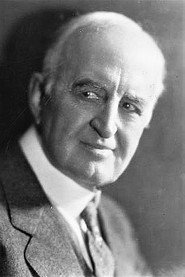
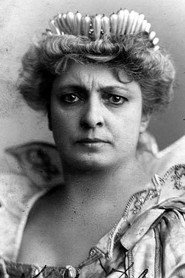
The main cast includes Emmy Wehlen as Clover Ames, Ricca Allen, Frank Currier, George Christie, and Peggy Parr.
Is The Duchess of Doubt (1917) worth watching?
While IMDb ratings aren't available, this charming silent-era romance-comedy stands out for its clever premise and early Hollywood allure. Fans of lighthearted historical films or classic comedies will likely find it enjoyable, especially for its themes of social climbing and love.
How long is The Duchess of Doubt?
The film runs for 50 minutes, making it a concise and engaging silent-era treat.
About The Duchess of Doubt (1917) — Silent-Era Comedy with a Heart of Gold and a Dash of Deception
In "The Duchess of Doubt (1917)", George D. Baker crafts a charming silent-era comedy-romance that blends social satire with a dash of Cinderella-like transformation. Emmy Wehlen stars as Clover Ames, a hardworking maid trapped in a dreary boardinghouse ruled by her tyrannical Aunt Sarah. Tired of the endless drudgery and inspired by a romantic novel, Clover seizes a life-changing opportunity when she inherits $7,000 from a boarder named Pierre Dubois. Dressing the part of a sophisticated duchess, she infiltrates a glamorous winter resort, only to find herself entangled in a web of deception that tests her newfound identity and morals.
The film's lighthearted escapism is matched by its sharp commentary on class and ambition, all wrapped in the playful energy of 1910s silent cinema. Baker's direction leans into visual wit and clever plotting, while Wehlen's performance grounds the story with warmth and humor. The movie's themes of reinvention and the blurred lines between truth and pretense give it a timeless appeal, making it a delightful watch for fans of early Hollywood charm and witty romance.