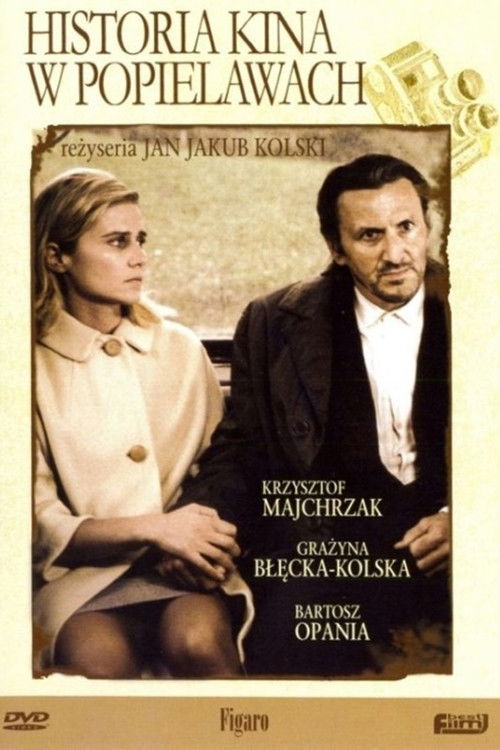
History of Cinema in Popielawy 1998
Set against the rustic charm of a Polish village, *History of Cinema in Popielawy (1998)* weaves a delicate tapestry of romance, drama, and fantasy under the deft direction of Jan Jakub Kolski.
Director: Jan Jakub Kolski
Cast





Frequently Asked Questions
What is History of Cinema in Popielawy (1998) about?
This poetic Polish film explores the tangled relationships of two men vying for the affection of a woman in a small village, where reality and fantasy blur. The story unfolds through a lens that feels both intimate and cinematic, as if the village itself is a character in a grand love story.
Who directed History of Cinema in Popielawy?
Jan Jakub Kolski, the acclaimed Polish director known for his lyrical and visually rich storytelling, helmed *History of Cinema in Popielawy (1998)*.
Who stars in History of Cinema in Popielawy?
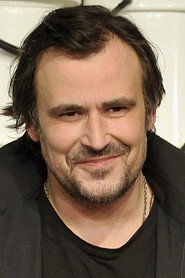
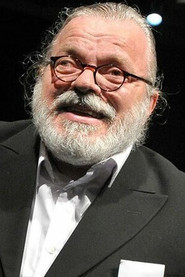
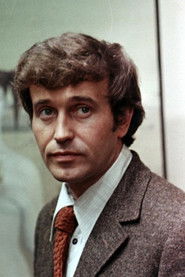
The film features standout performances from Krzysztof Majchrzak, Bartosz Opania, and Grażyna Błęcka-Kolska, alongside Mariusz Saniternik, Maria Gładkowska, and Jan Nowicki.
Is History of Cinema in Popielawy (1998) worth watching?
For fans of slow-burning, atmospheric dramas with a touch of fantasy, *History of Cinema in Popielawy (1998)* is a hidden gem. Its dreamy visuals and emotional depth make it a rewarding experience, even if it leans into the abstract rather than outright drama.
How long is History of Cinema in Popielawy?
The film runs for 100 minutes.
About History of Cinema in Popielawy (1998) — A Dreamlike Romance Blending Fantasy and Drama
Set against the rustic charm of a Polish village, *History of Cinema in Popielawy (1998)* weaves a delicate tapestry of romance, drama, and fantasy under the deft direction of Jan Jakub Kolski. The film unfolds like a dreamlike meditation on cinema itself, blending the magic of storytelling with the raw emotions of its characters. Krzysztof Majchrzak and Bartosz Opania deliver powerhouse performances as two men entangled in a love triangle that transcends time, while Grażyna Błęcka-Kolska adds depth with her poignant portrayal of a woman caught between desire and duty. The narrative drifts between the tangible world and the ethereal, creating an atmosphere that feels both nostalgic and hauntingly modern.
Kolski's signature style shines through in the film's poetic visuals and its refusal to shy away from the bittersweet truths of human connection. The village of Popielawy serves not just as a backdrop but as a silent witness to the unfolding drama, its quiet streets and flickering lanterns mirroring the emotional turbulence of its inhabitants. With its dreamy score and understated yet evocative performances, *History of Cinema in Popielawy (1998)* invites viewers to lose themselves in a story that feels like a love letter to the art of filmmaking itself.