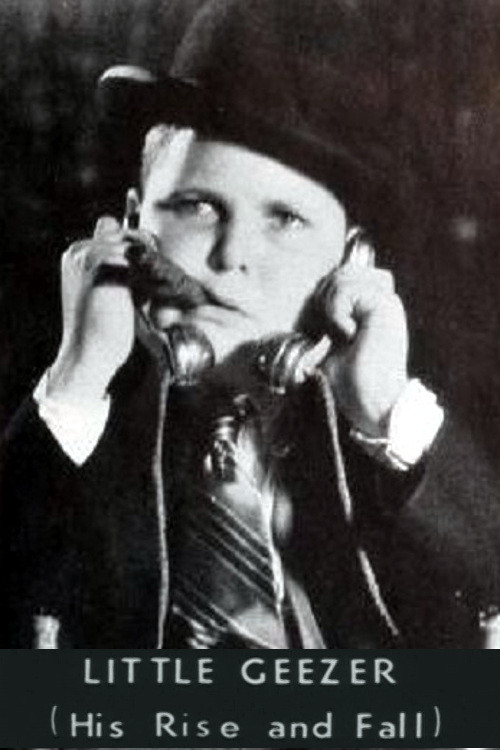
Little Geezer 1932
Step back to the early 1930s and meet Little Geezer (1932), a brisk 15-minute comedy-crime short directed by Theodore Huff. The story flips classic gangster tropes by casting pint-sized performers as the tough guys, sending up Prohibition-era thrillers with playful mischief.
Director: Theodore Huff
Frequently Asked Questions
What is Little Geezer (1932) about?
This early 1930s short turns gangster tropes on their head by casting real kids as mobsters. After a heist, Little Geezer betrays the gang by taking more than his share, igniting a violent turf war with Scarface Macaroni's crew. The result is a zippy, rebellious take on Prohibition-era crime—delivered with pint-sized swagger.
Who directed Little Geezer?
Theodore Huff directed Little Geezer (1932), a short film known for its playful subversion of classic gangster movies.
Who stars in Little Geezer?
The main cast details are not listed for this 1932 short, so the young performers remain anonymous.
Is Little Geezer (1932) worth watching?
Little Geezer (1932) is a fascinating time capsule of early sound-era comedy-crime shorts, offering a clever twist on the gangster genre. While it's brief at just 15 minutes, its satirical edge and spirited performances make it a curious watch for fans of vintage filmmaking.
How long is Little Geezer?
Little Geezer runs for 15 minutes.
About Little Geezer (1932) — A Gangster Parody with Kids That Packs a Punch
Step back to the early 1930s and meet Little Geezer (1932), a brisk 15-minute comedy-crime short directed by Theodore Huff. The story flips classic gangster tropes by casting pint-sized performers as the tough guys, sending up Prohibition-era thrillers with playful mischief. In classic gangland style, a daring heist kicks things off—until Little Geezer, the cocky young leader, pockets an extra share of the stolen cash and sparks a turf war. With Scarface Macaroni's East Side gang undercutting prices with cheap beer, tensions rise, bullets fly, and Little Geezer finds himself in the crosshairs. A punchy satire of adult ambition and betrayal wrapped in childhood antics, this vintage short balances sharp satire with slapstick energy.
Theodore Huff's direction keeps the pace brisk and the tone light, blending crime drama conventions with the unfiltered charm of youthful performers. The film's playful take on organized crime captures the era's fascination with outlaw stories, but with a twist that feels ahead of its time. Through clever casting and snappy pacing, Huff crafts a miniature world where alleyway negotiations and playground squabbles collide, leaving audiences both amused and intrigued by the chaos of Little Geezer's rise—and fall.