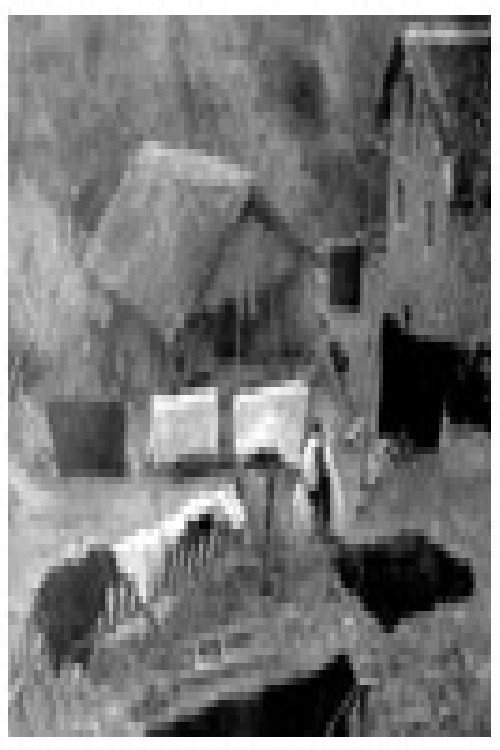
Virovo 1968
Step back in time with *Virovo (1968)*, a captivating short documentary by director Meto Petrovski that immerses viewers in one of the Balkans' most enduring traditions.
Director: Meto Petrovski
Frequently Asked Questions
What is Virovo (1968) about?
*Virovo (1968)* documents the ancient craft of hand-dyeing wool rugs in a rural Balkan village, revealing how artisans use local streams and natural pigments to create vibrant textiles. The film preserves a disappearing tradition, offering a poetic look at craftsmanship shaped by geography and time.
Who directed Virovo?
Virovo was directed by Meto Petrovski, whose work often focuses on cultural heritage and rural life in the Balkans.
Who stars in Virovo?
As a documentary, *Virovo (1968)* features local villagers and artisans rather than professional actors, with their daily lives and crafts taking center stage.
Is Virovo (1968) worth watching?
*Virovo (1968)* may not be commercially mainstream, but it's a fascinating time capsule for fans of ethnographic filmmaking. Its brevity and authentic portrayal of a fading craft make it a unique watch, especially for those curious about Balkan traditions.
How long is Virovo?
The runtime of *Virovo (1968)* is 10 minutes.
About Virovo (1968): Exploring a Vanishing Balkan Wool-Dyeing Tradition
Step back in time with *Virovo (1968)*, a captivating short documentary by director Meto Petrovski that immerses viewers in one of the Balkans' most enduring traditions. Filmed in the village of Virovo near Demir Hisar, this 10-minute gem showcases the art of wool rug dyeing—a craft sustained for centuries through natural resources. Shot against the backdrop of mountain streams, the documentary captures the rhythmic harmony between humanity and nature, where vibrant hues emerge from the earth itself. Petrovski's lens lingers on a dying art, transforming a simple technique into a visual poem about heritage and sustainability.
Beyond its historical significance, *Virovo (1968)* offers a meditative glimpse into rural Balkan life, where every color tells a story. The film's raw authenticity and intimate scale make it a hidden treasure for documentary enthusiasts, blending nostalgia with the timeless beauty of handcrafted tradition.