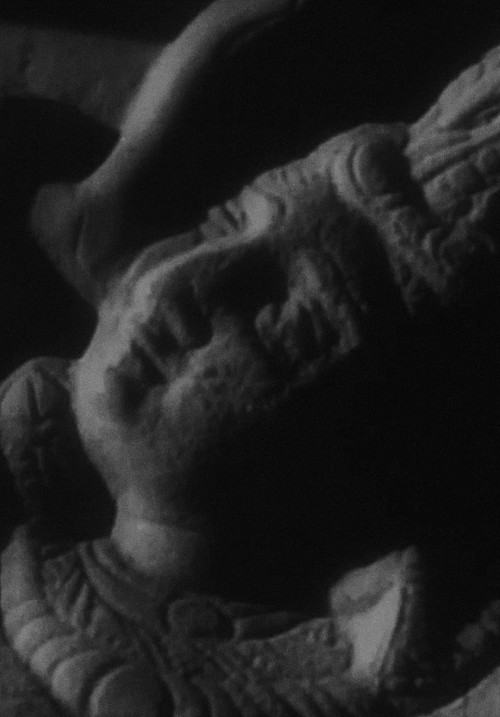
Nagarjunakonda 1958
Step back in time with *Nagarjunakonda (1958)*, a captivating documentary that transports viewers to the ancient ruins of Nagarjunakonda, a once-thriving center of art, scholarship, and spiritual exploration. Directed by the visionary S. N. S.
Director: S. N. S. Sastry
Frequently Asked Questions
What is Nagarjunakonda (1958) about?
This documentary transports you to Nagarjunakonda, an ancient hub of learning and art that thrived two millennia ago on the Krishna River's banks. Through its silent stone relics, the film reveals the grandeur of a civilization whose intellectual and artistic achievements still resonate today.
Who directed Nagarjunakonda?
The film was directed by the acclaimed S. N. S. Sastry, a pioneer in Indian documentary filmmaking whose work often blended poetic visuals with historical depth.
Who stars in Nagarjunakonda?
Cast details for this documentary are not listed, as the focus remains on the historical artifacts and the narrative they inspire.
Is Nagarjunakonda (1958) worth watching?
With its concise 16-minute runtime and breathtaking black-and-white cinematography, *Nagarjunakonda* offers a unique window into antiquity. While not a mainstream film, its cultural and historical significance makes it a rewarding watch for fans of documentaries and ancient history.
How long is Nagarjunakonda?
The documentary runs for 16 minutes.
About Nagarjunakonda (1958) — A 16-Minute Time Capsule of Ancient Art and Wisdom
Step back in time with *Nagarjunakonda (1958)*, a captivating documentary that transports viewers to the ancient ruins of Nagarjunakonda, a once-thriving center of art, scholarship, and spiritual exploration. Directed by the visionary S. N. S. Sastry, this short film (just 16 minutes) captures the haunting beauty of stone relics that whisper stories of a civilization that flourished over 2,000 years ago along the banks of the Krishna River in Andhra Pradesh. The documentary transforms these silent witnesses into vivid narratives, revealing the advanced architectural and cultural achievements of the era.
Sastry's lens transforms the remnants of this lost world into a poetic journey, where every carved pillar and weathered sculpture becomes a portal to the past. The film isn't just a visual record—it's an atmospheric meditation on the enduring legacy of human creativity and the mysteries that still linger in the ruins. Shot in black and white, *Nagarjunakonda (1958)* casts a timeless spell, making it a must-watch for history enthusiasts and lovers of evocative filmmaking alike.