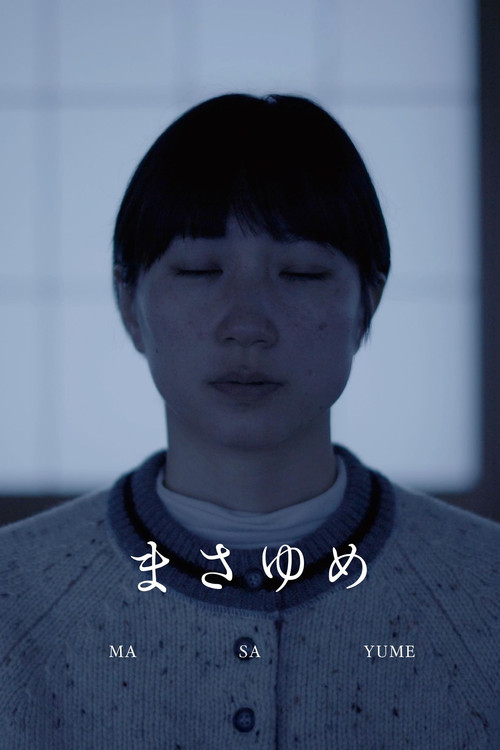
Masayume 2026
Nestled within the serene walls of a Zen temple, filmmaker Nao Yoshigai embarks on a deeply personal journey through grief in *Masayume (2026)*.
Director: Nao Yoshigai
Frequently Asked Questions
What is Masayume (2026) about?
*Masayume* follows director Nao Yoshigai as she retreats to a Zen temple after her mother's passing, seeking solace in reflection and art. Through a blend of archival footage, animation, and performance, the film traces her struggle to reconcile sorrow with the possibility of peace.
Who directed Masayume?
The film is directed by Nao Yoshigai, a creative force blending documentary storytelling with experimental visual art.
Who stars in Masayume?
The documentary's primary presence is director Nao Yoshigai herself, accompanied by the monks and artists who share her journey of healing.
Is Masayume (2026) worth watching?
As a contemplative documentary, *Masayume* offers a rare blend of visual poetry and emotional depth. While it leans into niche artistic expression, its themes of grief and resilience may resonate widely. Without an IMDb rating yet, early buzz suggests it's a standout in meditative cinema.
How long is Masayume?
The film runs for 110 minutes, perfect for an immersive, slow-burn viewing experience.
About Masayume (2026) — A Zen-inspired documentary on grief and gentle transcendence
Nestled within the serene walls of a Zen temple, filmmaker Nao Yoshigai embarks on a deeply personal journey through grief in *Masayume (2026)*. This introspective documentary weaves together delicate hand-drawn animation, raw performance art, and intimate family archives to paint a portrait of sorrow and the quiet pathways to acceptance. The film drifts between meditation and emotional revelation, transforming private anguish into something universally resonant. Yoshigai's visual storytelling dances on the edge of silence, crafting an atmosphere that feels both fragile and profoundly healing.
*Masayume (2026)* isn't just a chronicle of loss—it's a meditation on transformation, where the weight of grief slowly gives way to subtle, luminous hope. The documentary's meditative rhythm invites viewers to slow down, breathe, and reflect on their own journeys with pain and healing. With its experimental blend of genres and unflinching emotional honesty, this film stands out as a poetic exploration of what it means to move forward without ever leaving the past behind.