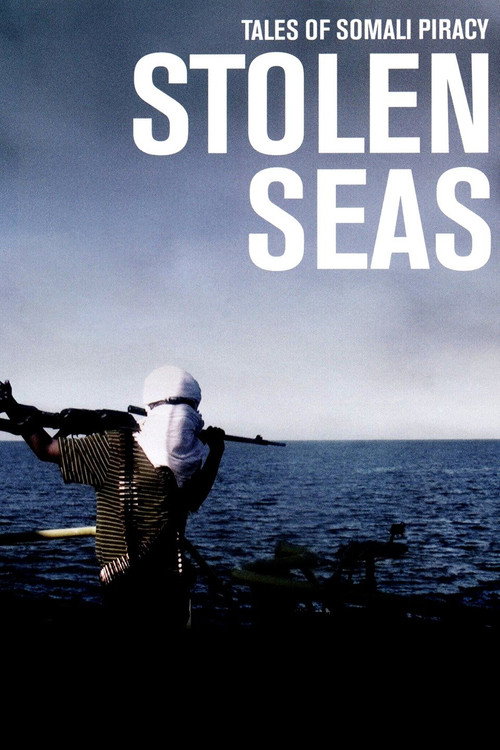
Stolen Seas 2013
"Tales of Somali piracy."
Dive into the gripping true-crime documentary *Stolen Seas (2013)* as director Thymaya Payne reconstructs a nerve-wracking hostage crisis at sea through chilling audio logs and raw found footage.
Director: Thymaya Payne
Frequently Asked Questions
What is Stolen Seas (2013) about?
*Stolen Seas* chronicles the real-life hijacking of the Danish cargo ship CEC Future by Somali pirates in 2008. Through intercepted audio and recovered video, the film reconstructs the tense standoff, offering an unfiltered look at the psychological toll of piracy on both captives and negotiators.
Who directed Stolen Seas?
Thymaya Payne directed *Stolen Seas*, bringing a documentary filmmaker's precision to this real-life maritime thriller.
Who stars in Stolen Seas?
Director Thymaya Payne leads the film's narrative, while the voices of Danish crew members and pirate negotiators shape its raw, immersive storytelling.
Is Stolen Seas (2013) worth watching?
If you crave documentaries that blend investigative rigor with nail-biting tension, *Stolen Seas* delivers. Its unflinching portrayal of Somali piracy's human cost—paired with Payne's gripping reconstruction—makes it a standout in the true-crime genre.
How long is Stolen Seas?
The documentary runs for 90 minutes.
🎥 Trailer
Stolen Seas (2013): A Harrowing True Story of Somali Piracy — Full Movie Info
Dive into the gripping true-crime documentary *Stolen Seas (2013)* as director Thymaya Payne reconstructs a nerve-wracking hostage crisis at sea through chilling audio logs and raw found footage. The film thrusts viewers into the heart of Somali piracy, blending tense negotiations with the human drama of a Danish crew held captive aboard the CEC Future. Payne crafts a visceral journey that exposes the brutal realities of maritime hijackings, where desperation and survival collide in a lawless stretch of ocean.
Stripped of sensationalism, *Stolen Seas* immerses audiences in the claustrophobic tension of real-time negotiations, where every crackle of static could signal life or death. The documentary's stripped-down aesthetic—relying on recovered audio and grainy footage—heightens the sense of urgency, making it feel like a firsthand account of a crisis unfolding just beyond the frame.