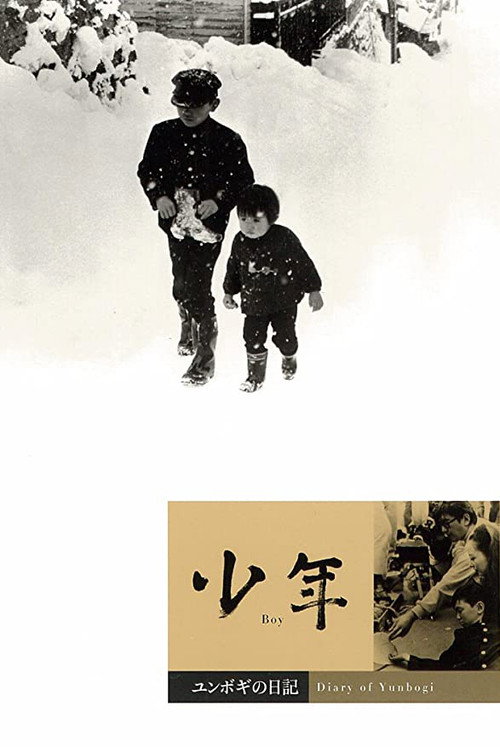
Diary of Yunbogi 1965
Diary of Yunbogi (1965) is a haunting documentary short by Japanese New Wave master Nagisa Ōshima, blending experimental montage with raw social realism.
Director: Nagisa Ōshima
Cast
Frequently Asked Questions
What is Diary of Yunbogi (1965) about?
This 24-minute documentary imagines the diary of a six-year-old boy living in a South Korean slum, blending his daily survival struggles with director Nagisa Ōshima's reflections on Japan–Korea relations. The film uses still photographs to weave a powerful, fragmented narrative about poverty and collective memory.
Who directed Diary of Yunbogi?
Nagisa Ōshima, a legendary Japanese filmmaker known for provocative works like In the Realm of the Senses, directed Diary of Yunbogi.
Who stars in Diary of Yunbogi?
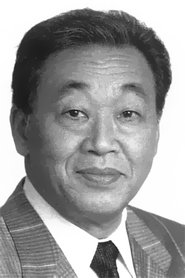
The film features Hōsei Komatsu in a key role, though Diary of Yunbogi is primarily a documentary driven by Ōshima's voiceover and archival imagery rather than traditional casting.
Is Diary of Yunbogi (1965) worth watching?
This experimental documentary offers a striking, if bleak, cinematic experience. While its brevity and abstract style may not suit all viewers, its thematic depth and historical resonance make it compelling for fans of socially conscious cinema and New Wave filmmaking. It's a short but unforgettable watch for those interested in Ōshima's early work.
How long is Diary of Yunbogi?
Diary of Yunbogi runs for 24 minutes.
About Diary of Yunbogi (1965) — A stark documentary portrait of Korean poverty and historical reckoning
Diary of Yunbogi (1965) is a haunting documentary short by Japanese New Wave master Nagisa Ōshima, blending experimental montage with raw social realism. Using still photographs taken during a 1965 research trip to South Korea, Ōshima crafts a poetic yet devastating portrait through the imagined diary of a six-year-old boy, Yunbogi, surviving in the slums of Seoul. The film layers the child's daily battles—feeding siblings, navigating hardship—with Ōshima's own reflections on Japan's historical ties to Korea, transforming personal struggle into a meditation on collective guilt and responsibility.
Captured in just 24 minutes, Diary of Yunbogi eschews traditional narrative for a visually striking tapestry of black-and-white images that pulse with quiet urgency. The juxtaposition of innocence against systemic neglect creates an atmosphere of quiet despair, while the director's voiceover bridges the gap between art and activism. A bold, politically charged work, this experimental documentary stands as a testament to Ōshima's unflinching gaze and the power of cinema to confront uncomfortable truths.