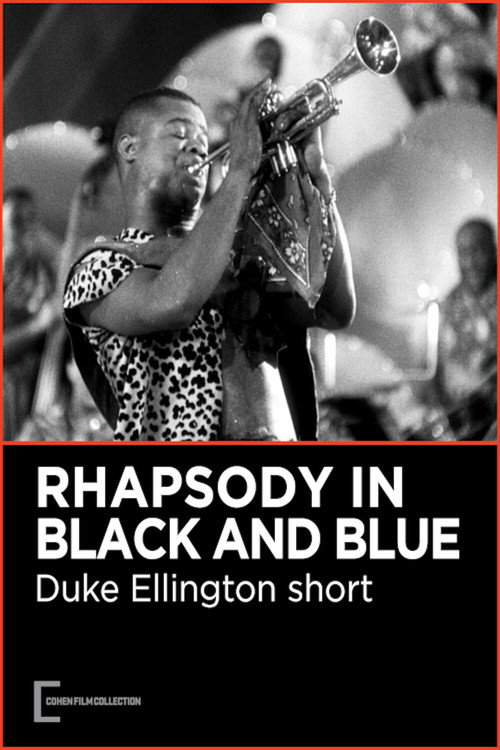
A Rhapsody in Black and Blue 1932
A whimsical jazz-era short from 1932, *A Rhapsody in Black and Blue* delivers a playful yet surreal escape wrapped in vintage musical charm.
Director: Aubrey Scotto
Cast
Frequently Asked Questions
What is A Rhapsody in Black and Blue (1932) about?
This 1932 musical short blends comedy and fantasy as a husband's obsession with jazz leads to a surreal dream. After his wife accidentally strikes him with a mop, he awakens in a whimsical land called Jazzmania, where Louis Armstrong's music reigns supreme.
Who directed A Rhapsody in Black and Blue?
The film was directed by Aubrey Scotto, a filmmaker known for his work in early sound-era shorts and musicals.
Who stars in A Rhapsody in Black and Blue?
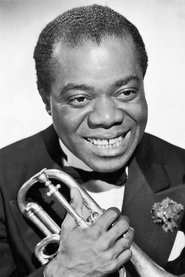
The short stars jazz legend Louis Armstrong alongside Fanny Belle DeKnight and Sidney Easton, delivering a mix of humor and musical brilliance.
Is A Rhapsody in Black and Blue (1932) worth watching?
Though brief, this 1932 jazz short offers a delightful slice of early sound-era entertainment. With Armstrong's iconic performances and a playful, surreal plot, it's a charming relic for fans of vintage film and jazz history. The IMDb-unrated status means expectations should be modest—but the energy is undeniable.
How long is A Rhapsody in Black and Blue?
The runtime is 10 minutes.
About A Rhapsody in Black and Blue (1932) — A surreal jazz short starring Louis Armstrong
A whimsical jazz-era short from 1932, *A Rhapsody in Black and Blue* delivers a playful yet surreal escape wrapped in vintage musical charm. Directed by Aubrey Scotto, this ten-minute film blends domestic comedy with dreamlike fantasy, where a household squabble over jazz music spirals into a surreal odyssey. The plot follows a husband so enchanted by Louis Armstrong's tunes that his frustrated wife strikes him with a mop—only for him to awaken in Jazzmania, a bubbly, upside-down realm where Armstrong reigns supreme. With Armstrong performing his iconic tracks *I'll Be Glad When You're Dead You Rascal You* and *Shine*, the film fuses humor, music, and visual inventiveness, creating a snapshot of early jazz culture. Though brief, its blend of slapstick, surrealism, and Armstrong's magnetic energy makes it a memorable curiosity for vintage film and music enthusiasts alike.
Set against the vibrant backdrop of the 1930s jazz scene, *A Rhapsody in Black and Blue* captures the era's rebellious spirit and love for rhythm. Armstrong's electrifying presence elevates the short into a miniature celebration of Black musical artistry, even as the plot twists into a comedic morality tale about household harmony. The film's dream logic and playful visuals—think soapsuds transforming into a surreal kingdom—add an extra layer of delight, making it a quirky relic that still sparkles with infectious energy today.