Redemption 2013
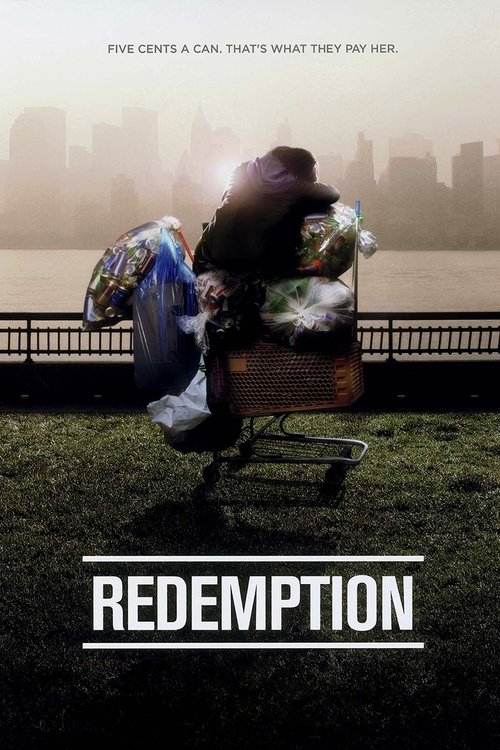
Directed by Matthew O'Neill, *Redemption (2013)* offers an eye-opening glimpse into the lives of New York City's canners—individuals who rely on collecting discarded bottles and cans from streets and dumpsters for their survival.
Director: Matthew O'Neill
Frequently Asked Questions
What is Redemption (2013) about?
*Redemption (2013)* follows the lives of New York City's canners, people who collect bottles and cans from trash bins and streets to make ends meet. The documentary humanizes this often-invisible workforce, exploring their struggles, resilience, and the societal structures that push them to the margins.
Who directed Redemption?
Director information is not available.
Who stars in Redemption?
Cast details for *Redemption (2013)* are not provided.
Is Redemption (2013) worth watching?
While *Redemption (2013)* isn't rated on IMDb, its documentary genre and focus on real-life struggles make it compelling for viewers interested in social issues. The film's concise runtime and intimate storytelling offer a quick but powerful cinematic experience.
How long is Redemption?
The runtime for *Redemption (2013)* is 35 minutes.
About Redemption (2013) — A Raw Portrait of NYC's Can-Do Survivors
Directed by Matthew O'Neill, *Redemption (2013)* offers an eye-opening glimpse into the lives of New York City's canners—individuals who rely on collecting discarded bottles and cans from streets and dumpsters for their survival. Far from the stereotypes of trash pickers, this intimate documentary humanizes a marginalized community often overlooked in post-industrial America. Through raw, unfiltered storytelling, the film captures the resilience and dignity of people navigating the fringes of society, revealing the unseen labor that keeps urban ecosystems—and their own lives—afloat. With a stark, observational style, *Redemption* transforms a mundane act into a poignant reflection on poverty, resourcefulness, and the invisible workforce that powers our cities.
This short but impactful 35-minute documentary doesn't just document; it immerses viewers in the daily grind of its subjects, exposing the systemic gaps that leave them with no other options. By focusing on their personal stories, the film challenges audiences to reconsider how society treats its most vulnerable members.