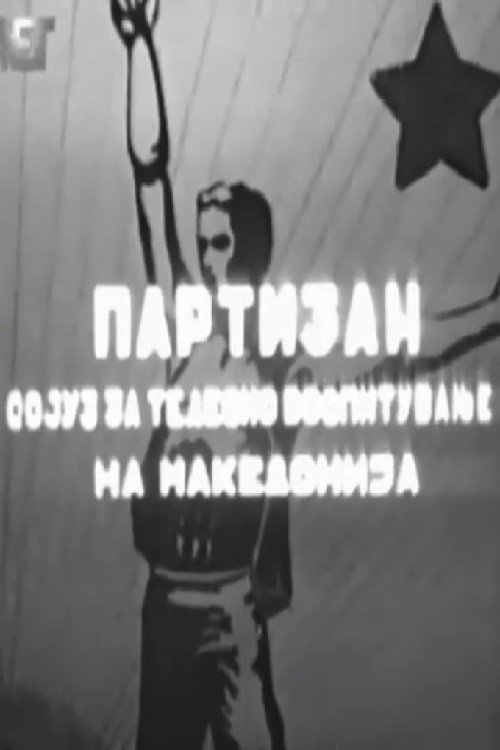
Partizan 1953
Dive into the energetic world of early 1950s Yugoslavia with *Partizan (1953)*, a concise yet vibrant documentary directed by Aco Petrovski.
Director: Aco Petrovski
Frequently Asked Questions
What is Partizan (1953) about?
*Partizan (1953)* documents the routines and rituals of Yugoslavia's Partizan physical education organization, highlighting their rigorous exercises and ceremonial involvement in the Tito Relay—a symbolic event uniting the nation. The film blends athletic displays with patriotic undertones, offering a snapshot of post-war cultural identity.
Who directed Partizan?
Partizan was directed by Aco Petrovski, a filmmaker whose work captures the essence of Yugoslavia's social and physical renaissance during the mid-20th century.
Who stars in Partizan?
The cast of *Partizan (1953)* consists of members of the Partizan physical education organization, whose collective performances drive the film's narrative and visual appeal.
Is Partizan (1953) worth watching?
As a historical documentary, *Partizan (1953)* offers limited entertainment value compared to modern films but serves as a vital cultural artifact for those interested in Yugoslav history or early documentary cinema. Its brevity and thematic focus make it a quick yet enriching watch for niche audiences.
How long is Partizan?
Partizan runs for approximately 11 minutes, delivering a compact yet impactful cinematic experience.
About Partizan (1953) — A Documentary Celebrating Athletic Spirit and National Unity
Dive into the energetic world of early 1950s Yugoslavia with *Partizan (1953)*, a concise yet vibrant documentary directed by Aco Petrovski. This short film captures the dynamic spirit of the Partizan physical education organization, showcasing their disciplined exercises and the ceremonial exchanges surrounding the historic Tito Relay. The documentary radiates a sense of national pride and collective vitality, blending athletic prowess with patriotic fervor. Set against a backdrop of post-war resilience, the film offers a glimpse into the cultural and social fabric of the era, where physical culture was intertwined with unity and progress. Petrovski's lens transforms simple drills and processions into a celebration of collective effort and shared purpose.
While modest in runtime, *Partizan (1953)* stands as a testament to the power of documentary filmmaking in preserving and promoting ideological and physical ideals. The film's black-and-white visuals and rhythmic editing create a nostalgic yet invigorating atmosphere, making it a fascinating artifact for history buffs and cinema enthusiasts alike. Whether you're drawn by its historical significance or its portrayal of human endurance, this documentary delivers a concise yet impactful viewing experience that lingers long after the credits roll.