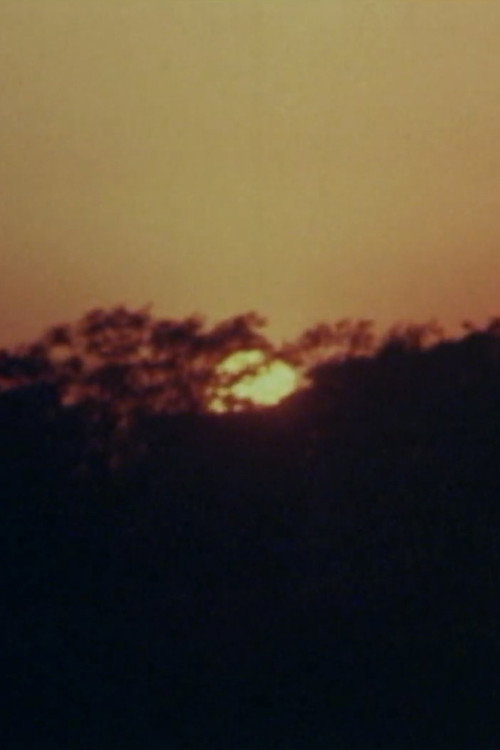
The Toy Tree 1979
A delicate 1979 experimental short film crafted by the Film Study Club of Bunkyo University, "The Toy Tree" offers a poetic glimpse into a bygone era of analog filmmaking.
Director: Masayo Matsushita
Frequently Asked Questions
What is The Toy Tree (1979) about?
This short film is a gentle, open-ended exploration of childhood imagination, framed through the lens of an ordinary toy tree. Its sparse plot invites viewers to interpret the story based on visuals and atmosphere alone, focusing on themes of memory and transience.
Who directed The Toy Tree?
The Toy Tree was directed by Masayo Matsushita, a filmmaker associated with Bunkyo University's Film Study Club in the late 1970s.
Who stars in The Toy Tree?
Cast details for The Toy Tree (1979) are not publicly documented.
Is The Toy Tree (1979) worth watching?
With its experimental style and brief runtime, The Toy Tree (1979) appeals to niche audiences—particularly fans of student films and analog cinema. Its historical value outweighs mainstream appeal, making it a curiosity rather than a must-see for general viewers.
How long is The Toy Tree?
The Toy Tree (1979) has a runtime of 5 minutes.
About The Toy Tree (1979) — A 8mm Student Film Poem from Bunkyo University
A delicate 1979 experimental short film crafted by the Film Study Club of Bunkyo University, "The Toy Tree" offers a poetic glimpse into a bygone era of analog filmmaking. Directed by Masayo Matsushita, this 5-minute 8mm production blends nostalgia with artistic simplicity, evoking the innocence and curiosity of childhood through a minimalist narrative. The film's atmosphere is soft and introspective, weaving themes of imagination and fleeting moments, all captured with the warmth of analog grain. While sparse in detail, its brevity invites viewers to reflect on the quiet beauty of everyday objects and stories.
Though modest in scale, "The Toy Tree (1979)" stands as a testament to the creativity of student filmmakers in Japan during the late '70s. Its experimental nature challenges conventional storytelling, instead embracing ambiguity and symbolism. The visual style, defined by the tactile quality of 8mm film, immerses audiences in a time capsule of raw, unfiltered artistry. For fans of avant-garde cinema or those curious about early Japanese film movements, this obscure gem is a hidden treasure worth exploring.