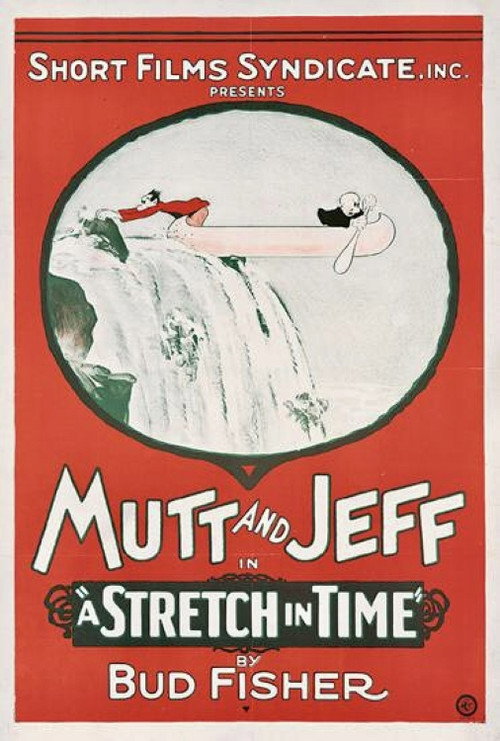
A Stretch in Time 1926
Dive into the whimsical world of 1920s animation with *A Stretch in Time (1926)*, a short yet spirited silent comedy directed by the inventive Charles R. Bowers.
Director: Charles R. Bowers
Frequently Asked Questions
What is A Stretch in Time (1926) about?
This 1926 silent comedy short follows the misadventures of Mutt and Jeff as they find themselves embroiled in a comical skirmish with a group of Native Americans. The film's humor lies in its exaggerated action and the duo's relentless slapstick mishaps.
Who directed A Stretch in Time?
Charles R. Bowers directed *A Stretch in Time*. Known for his innovative work in early animation, Bowers crafted the film's chaotic yet charming visual style.
Who stars in A Stretch in Time?
The legendary animated duo Mutt and Jeff headline the cast, though no other names are listed for this short.
Is A Stretch in Time (1926) worth watching?
As a silent-era comedy short, *A Stretch in Time* offers a fun glimpse into early animation history. While it may not match modern standards, its brevity and slapstick charm make it a quirky must-see for vintage comedy enthusiasts.
How long is A Stretch in Time?
*A Stretch in Time* runs for 5 minutes, making it a perfect quick watch for fans of early animation.
A Stretch in Time (1926): The Wild Ride of Mutt & Jeff — Full Movie Info
Dive into the whimsical world of 1920s animation with *A Stretch in Time (1926)*, a short yet spirited silent comedy directed by the inventive Charles R. Bowers. This five-minute gem pits the bumbling duo of Mutt and Jeff against a rowdy group of Native Americans in a chaotic clash of slapstick antics and visual gags. The film's playful energy and exaggerated action unfold against a backdrop of vintage charm, blending humor with the era's signature animation flair. Expect a lighthearted romp where timing is everything—literally—amidst the absurdity of early cinematic humor.
While the plot might sound like a straightforward brawl, *A Stretch in Time* thrives on its absurdity and the sheer audacity of its animation style. Bowers' direction leans into the delightfully unpredictable, turning a simple fight into a showcase of early comedic techniques. The film's brevity doesn't dampen its entertainment value; instead, it packs a punch in a compact, digestible format. For fans of silent-era comedy or curious cinephiles, this short offers a delightful slice of history wrapped in laughter and visual wit.