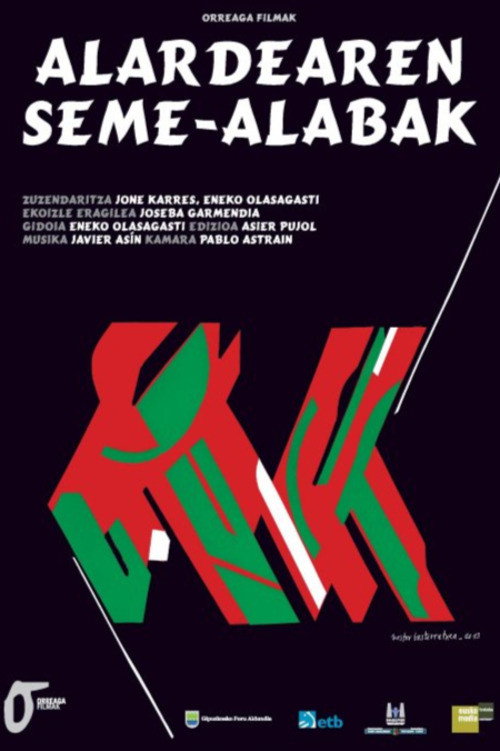
Alardearen seme-alabak 2013
Alardearen seme-alabak (2013) is a compelling documentary directed by Eneko Olasagasti that delves into a heated cultural debate surrounding the traditional Irun and Hondarribia festivity known as Alarde.
Director: Eneko Olasagasti
Cast
Frequently Asked Questions
What is Alardearen seme-alabak (2013) about?
This documentary explores the controversy surrounding the Alarde festival in Irun and Hondarribia, focusing on the debate over women's participation. It traces the festival's history, the conflict's origins in the 1990s, and its impact on contemporary society.
Who directed Alardearen seme-alabak?
The film was directed by Eneko Olasagasti, a filmmaker known for his work in cultural and documentary cinema.
Who stars in Alardearen seme-alabak?
The documentary features interviews and insights from locals including Ixabel Alkain, Anjel Alkain, Jon Alkain, Garoa Lekuona, and Esteban Lekuona.
Is Alardearen seme-alabak (2013) worth watching?
As an unrated but thought-provoking documentary, it offers valuable perspectives on cultural traditions and gender dynamics. Its depth and relevance make it a compelling watch for fans of social documentaries.
How long is Alardearen seme-alabak?
The runtime of Alardearen seme-alabak is 82 minutes.
Alardearen seme-alabak (2013): A Cultural Documentary on Tradition and Change
Alardearen seme-alabak (2013) is a compelling documentary directed by Eneko Olasagasti that delves into a heated cultural debate surrounding the traditional Irun and Hondarribia festivity known as Alarde. The film is structured into three insightful segments: first, it examines the historical roots, cultural significance, and unique traditions of the Alarde. Next, it traces the origins of the controversy and its escalation during the 1990s, capturing the tension between tradition and evolving social norms. Finally, it reflects on the festival's present-day challenges and what the future may hold for this deeply rooted celebration.
Through interviews and archival footage, Olasagasti crafts a nuanced exploration of gender roles within this centuries-old tradition. The atmosphere is both investigative and contemplative, inviting viewers to ponder the delicate balance between preserving heritage and embracing progressive change. This documentary is a must-watch for anyone interested in cultural studies, social evolution, or the stories that shape communities.