
Farman Khan 1967
In the rugged landscape of 1960s Iran, *Farman Khan (1967)* unfolds as a gripping tale of resistance against tyranny.
Director: Ahmad Safaei
Cast

Frequently Asked Questions
What is Farman Khan (1967) about?
The film centers on a young villager who, with his friend's help, challenges a ruthless local lord named Khan who has been oppressing their village. Their struggle for freedom brings hope and unity back to the community.
Who directed Farman Khan?
The film was directed by Ahmad Safaei, a notable figure in Iranian cinema whose work often explores social and historical themes.
Who stars in Farman Khan?
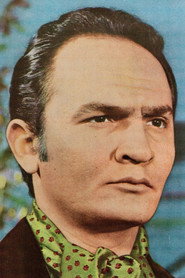
The cast includes Nosratollah Mohtasham, Mohammad Abdi, Dalileh Namazi, Giti Jafari, and Nasser Jack Lord in key roles.
Is Farman Khan (1967) worth watching?
While it lacks a current IMDb rating, *Farman Khan* offers a compelling story rooted in classic Iranian storytelling. Its themes of justice and resistance make it appealing to fans of historical dramas and vintage cinema.
How long is Farman Khan?
The film runs for 90 minutes.
About Farman Khan (1967) — Classic Iranian Drama of Rebellion and Justice
In the rugged landscape of 1960s Iran, *Farman Khan (1967)* unfolds as a gripping tale of resistance against tyranny. Directed by Ahmad Safaei, this classic drama follows a young man who rallies his village to challenge the oppressive reign of a powerful local lord, known only as Khan. With themes of justice, courage, and solidarity, the film captures the raw spirit of a community refusing to bow to injustice. The atmosphere is tense yet hopeful, as the protagonist's fight for freedom reignites a sense of unity among the villagers.
Starring Nosratollah Mohtasham as the determined leader, alongside Mohammad Abdi and Giti Jafari in pivotal roles, *Farman Khan (1967)* blends historical context with emotional depth. The film's narrative explores the clash between authority and the will of the people, making it a compelling watch for fans of classic Iranian cinema. Set against a backdrop of rustic simplicity, the story resonates with timeless themes of rebellion and redemption.