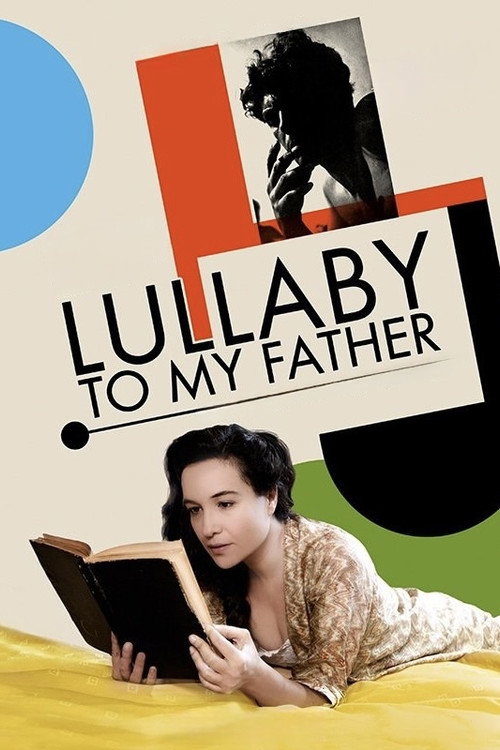
Lullaby to my Father 2012
Amos Gitai's *Lullaby to my Father* (2012) weaves a deeply personal documentary with the sweeping currents of 20th-century history.
Director: Amos Gitai
Cast



Frequently Asked Questions
What is Lullaby to my Father (2012) about?
The film chronicles the life of Munio Gitai, the director's father, from his humble beginnings in rural Poland to his time at the Bauhaus in 1920s Berlin. It captures his artistic awakening, the rise of Nazi persecution, and the enduring impact of exile on a family and an era.
Who directed Lullaby to my Father?
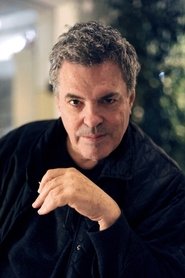
Amos Gitai is the director behind *Lullaby to my Father*, known for his evocative blend of documentary and personal narrative across films like *Kadosh* and *Kippur*.
Who stars in Lullaby to my Father?
The documentary features key appearances by Jeanne Moreau, Yaël Abecassis, and Ran Danker, alongside director Amos Gitai himself.
Is Lullaby to my Father (2012) worth watching?
While IMDb doesn't rate it, *Lullaby to my Father* offers a rich, introspective viewing experience for fans of art history, biographical documentaries, and meditative filmmaking. Its themes of resilience and legacy make it a thoughtful choice for those drawn to quiet, profound stories.
How long is Lullaby to my Father?
The runtime of *Lullaby to my Father* is 87 minutes.
About Lullaby to my Father (2012) — A Poetic Documentary on Architecture, Exile, and Memory
Amos Gitai's *Lullaby to my Father* (2012) weaves a deeply personal documentary with the sweeping currents of 20th-century history. Through intimate recollections and striking visuals, the film traces the extraordinary life of Munio Gitai—director Gitai's father—born into a world of rural Silesian hardship before rising to prominence in the avant-garde circles of pre-war Berlin. His journey from a tenant farmer's son to a disciple of Bauhaus luminaries like Walter Gropius, Kandinsky, and Paul Klee mirrors a continent's turbulent transformation, from artistic revolution to political upheaval.
With a reflective, poetic lens, Gitai explores how architecture and memory intertwine, framing Munio's story as both a testament to resilience and a lament for lost ideals. The documentary pulses with emotional depth, blending archival whispers with present-day reflections on exile, legacy, and the fragile beauty of human connections. Shot in the director's signature contemplative style, it's a quiet yet powerful homage to a life shaped by art, displacement, and the unshakable bonds of family.