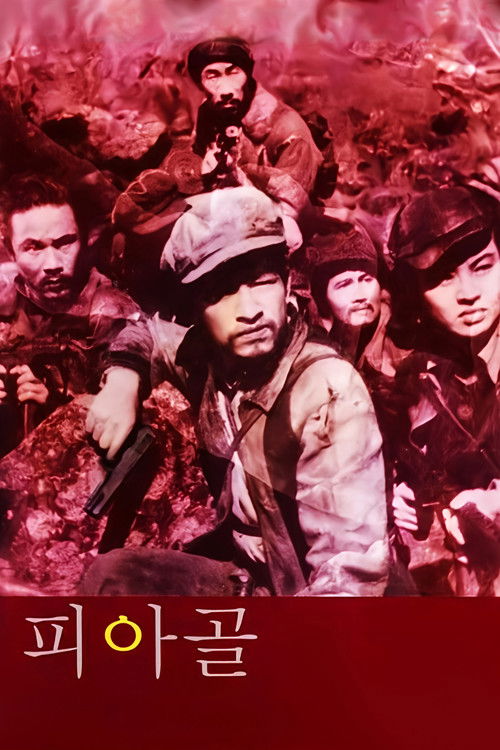
Piagol 1955
Set in the rugged terrain of mid-century Korea, *Piagol (1955)* delivers a tense and intimate portrait of survival and betrayal within a communist guerrilla faction.
Director: Lee Kang-cheon
Cast

Frequently Asked Questions
What is Piagol (1955) about?
*Piagol (1955)* follows a faction of communist guerrillas whose already fragile bonds are tested when a female comrade joins their ranks. As old rivalries flare and new tensions arise, one member's growing disillusionment leads to a desperate bid for escape, threatening to tear the group apart at its core.
Who directed Piagol?
Piagol was directed by Lee Kang-cheon, a filmmaker known for exploring human struggles against the backdrop of turbulent historical periods.
Who stars in Piagol?
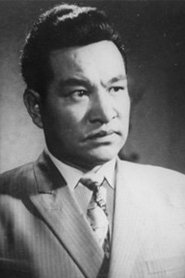
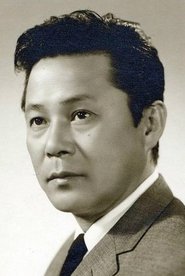
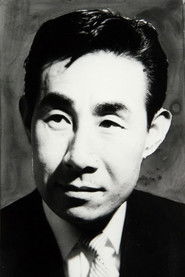
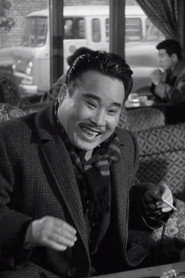
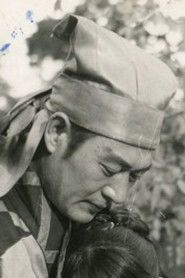
The film features No Gyeong-hui, Lee Yea-chun, Kim Jin-kyu, Heo Chang-kang, and Yoon Wang-gook in pivotal roles.
Is Piagol (1955) worth watching?
Though unrated on IMDb, *Piagol (1955)* offers a gripping blend of war drama and psychological tension, making it a compelling watch for fans of gritty, character-driven stories from 1950s cinema.
How long is Piagol?
The film runs for 107 minutes, offering a tightly woven narrative within a concise runtime.
About Piagol (1955) — A 1950s guerrilla drama of jealousy and desertion
Set in the rugged terrain of mid-century Korea, *Piagol (1955)* delivers a tense and intimate portrait of survival and betrayal within a communist guerrilla faction. Director Lee Kang-cheon crafts a story where the arrival of a female comrade ignites simmering tensions, exposing the fractures of loyalty and ambition among the rebels. As jealousy and rivalry flare, one member's desperate urge to escape casts a shadow over the group's fragile unity, blending raw drama with the grit of wartime realities.
The film lingers on the psychological strain of living in the shadows, where trust is a luxury and every decision could mean life or death. With a stark atmosphere of suspense and moral ambiguity, *Piagol (1955)* transcends a simple war narrative to become a human drama where personal stakes are as high as ideological ones.