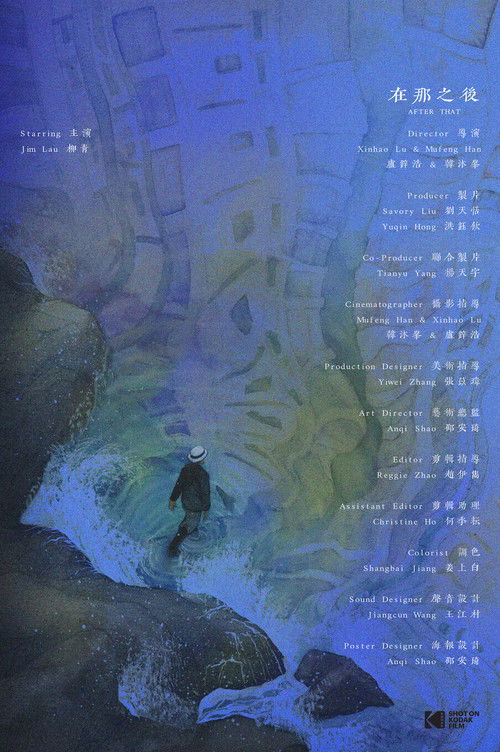
After That 2026
After That (2026) is a contemplative short film that blends fantasy and science fiction elements into a haunting meditation on memory and existence.
Director: Xinhao "Violet" Lu
Cast
Frequently Asked Questions
What is After That (2026) about?
After That follows Xinhao, a man wandering through an abandoned future city. He memorializes his past experiences before mysteriously disappearing, creating a meditative exploration of memory and loss.
Who directed After That?
The film was directed by Xinhao "Violet" Lu, who also appears to have inspired the protagonist's character.
Who stars in After That?
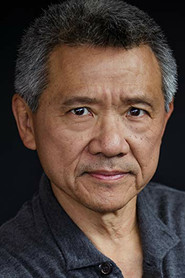
Jim Lau leads the cast in this short drama, carrying the film's emotional weight as the solitary wanderer.
Is After That (2026) worth watching?
With its unique blend of fantasy and sci-fi themes in a brief runtime, After That offers an intriguing meditative experience for fans of experimental cinema and character-driven stories.
How long is After That?
The film runs for 11 minutes.
About After That (2026) — A Futuristic Drama's Journey Through Memory
After That (2026) is a contemplative short film that blends fantasy and science fiction elements into a haunting meditation on memory and existence. Directed by Xinhao "Violet" Lu, this 11-minute drama follows a man named Xinhao as he navigates the empty streets of a futuristic cityscape. The film creates an atmospheric journey through isolation and remembrance, where the protagonist confronts his past before ultimately vanishing into the urban landscape.
Starring Jim Lau in the lead role, After That explores themes of loss, identity, and the passage of time through its minimalist narrative approach. The fantasy and science fiction elements combine to create a dreamlike quality that enhances the dramatic core of the story. With its brief runtime, the film manages to pack an emotional punch while leaving viewers pondering the nature of memory and what remains after we're gone.
This experimental drama offers a unique viewing experience that lingers long after its final frame. The uninhabited city serves as both setting and metaphor, creating a powerful backdrop for Xinhao's introspective journey.