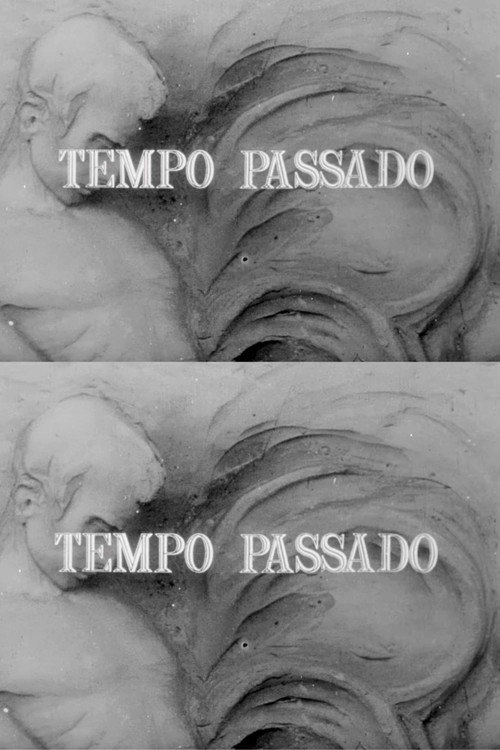
Passing Time 1966
In the short documentary Passing Time (1966), director Astolfo Araujo captures a fleeting moment of transition as the demolition of a historic house clears space for a modern urban landscape.
Director: Astolfo Araujo
Frequently Asked Questions
What is Passing Time (1966) about?
Passing Time documents the demolition of an old house as a symbolic gesture of urban renewal, capturing the fleeting nature of physical spaces in a rapidly changing world. The film contrasts the weight of the past with the promise of modernity, using the demolition site as a backdrop for deeper reflections on time and transformation.
Who directed Passing Time?
Passing Time was directed by Astolfo Araujo, a Brazilian filmmaker known for his contributions to documentary cinema during the mid-20th century.
Who stars in Passing Time?
Passing Time is a documentary, and its "cast" consists primarily of the urban landscape itself—buildings, streets, and the workers involved in the demolition process.
Is Passing Time (1966) worth watching?
As a 10-minute documentary, Passing Time offers a brief but meaningful exploration of urban change and the passage of time. While it may not have a wide appeal, fans of poetic, observational cinema will appreciate its thoughtful approach. Since it's unrated, viewers can approach it with an open mind to its artistic merits.
How long is Passing Time?
Passing Time runs for 10 minutes.
About Passing Time (1966) — A Short Brazilian Documentary on Urban Change and Memory
In the short documentary Passing Time (1966), director Astolfo Araujo captures a fleeting moment of transition as the demolition of a historic house clears space for a modern urban landscape. The 10-minute film transforms a simple act of urban renewal into a poetic meditation on change, memory, and the relentless march of progress. Through carefully composed shots and a contemplative pace, Araujo invites viewers to reflect on the impermanence of physical spaces and the stories they hold.
Passing Time stands out as a poignant reflection on cultural evolution, where the past is literally buried under the foundations of the future. The film's minimalist approach and focus on urban transformation make it a unique entry in the Brazilian documentary tradition. While brief, its themes resonate deeply, offering a snapshot of mid-century Brazil caught between tradition and modernization.
Whether you're a fan of documentaries or simply appreciate films that explore the passage of time, Passing Time (1966) is a quietly powerful experience worth seeking out.