La Mort n’a pas voulu de moi – Portrait de Lotte Eisner 1984
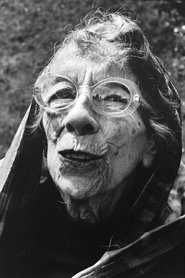
Dive into the intimate world of post-war European cinema with *La Mort n'a pas voulu de moi – Portrait de Lotte Eisner* (1984), a compelling 24-minute documentary that pays tribute to the legendary Lotte Eisner, a towering figure in film criticism and preservation.
Director: Carole Roussopoulos
Cast
Frequently Asked Questions
What is *La Mort n'a pas voulu de moi – Portrait de Lotte Eisner* (1984) about?
This 24-minute documentary honors Lotte Eisner, a pivotal figure in film criticism and preservation, through a blend of archival footage and personal reflections. It explores her influence on cinema and her role in shaping post-war European film culture.
Who directed *La Mort n'a pas voulu de moi – Portrait de Lotte Eisner*?
Carole Roussopoulos, a groundbreaking filmmaker known for her contributions to feminist cinema and documentary work, directed this tribute.
Who stars in *La Mort n'a pas voulu de moi – Portrait de Lotte Eisner*?
The film centers on Lotte Eisner, with no other named cast members.
Is *La Mort n'a pas voulu de moi – Portrait de Lotte Eisner* (1984) worth watching?
While its IMDb rating is unrated, the documentary's historical significance and thematic depth make it a fascinating watch for film enthusiasts. Its concise runtime and focused subject matter offer a unique perspective on a key figure in cinema history.
How long is *La Mort n'a pas voulu de moi – Portrait de Lotte Eisner*?
The runtime is 24 minutes.
About La Mort n'a pas voulu de moi – Portrait de Lotte Eisner (1984) — A short documentary celebrating Lotte Eisner's enduring legacy
Dive into the intimate world of post-war European cinema with *La Mort n'a pas voulu de moi – Portrait de Lotte Eisner* (1984), a compelling 24-minute documentary that pays tribute to the legendary Lotte Eisner, a towering figure in film criticism and preservation. Directed by the pioneering Carole Roussopoulos, this short film captures the essence of Eisner's life and legacy, blending archival insights with personal reflections. The atmosphere is one of reverence and curiosity, as the documentary explores Eisner's influence on critics like François Truffaut and her role as a bridge between eras of cinema. Through thoughtful pacing and evocative storytelling, Roussopoulos crafts a portrait that feels both personal and historically significant, offering a glimpse into the mind of a woman who shaped the very language of film appreciation.
The film's themes revolve around resilience, memory, and the fragility of artistic legacies, set against the backdrop of a Europe still healing from its wounds. *La Mort n'a pas voulu de moi – Portrait de Lotte Eisner* (1984) is more than a biography—it's a meditation on the power of cinema to preserve histories and the people who make it possible.