St Leonards Outrage 1913
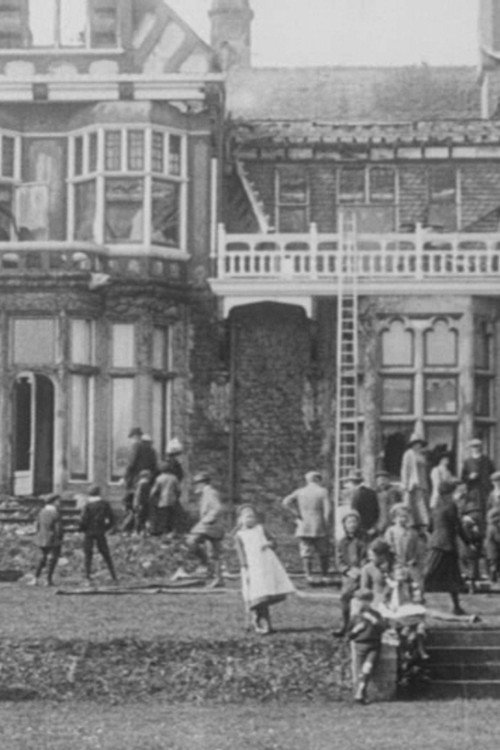
A silent-era Pathe newsreel, *St Leonards Outrage (1913)* documents the fiery protest against Conservative MP Arthur Du Cros, whose opposition to women's suffrage sparked direct action.
Frequently Asked Questions
What is St Leonards Outrage (1913) about?
This 1913 Pathe newsreel documents the arson attack on Levetleigh House in St Leonards, carried out by suffragette Kitty Marion. The protest targeted Conservative MP Arthur Du Cros, whose opposition to women's suffrage fueled militant resistance. The footage captures the dramatic aftermath of the fire, a bold act of civil disobedience.
Who directed St Leonards Outrage?
Director information is not available for this silent-era newsreel.
Who stars in St Leonards Outrage?
Starring only in historical context, suffragette Kitty Marion is the key figure linked to this film, though the cast remains uncredited in official records.
Is St Leonards Outrage (1913) worth watching?
As a historical document, *St Leonards Outrage (1913)* offers rare visual insight into early 20th-century protest tactics and the suffragette movement. While not a narrative film, its archival value and dramatic imagery make it compelling for students of social history or silent cinema.
How long is St Leonards Outrage?
Runtime details are not listed for this 1913 newsreel.
About St Leonards Outrage (1913) — The Fiery Protest That Reshaped History
A silent-era Pathe newsreel, *St Leonards Outrage (1913)* documents the fiery protest against Conservative MP Arthur Du Cros, whose opposition to women's suffrage sparked direct action. The brief but dramatic footage captures the smoldering ruins of Levetleigh House, once his grand residence in St Leonards. This historic clip isn't just a snapshot of protest—it's a vivid illustration of the militant tactics employed by suffragettes like Kitty Marion to challenge political inaction. The black-and-white images carry a raw intensity, blending archival significance with the urgency of early 20th-century civil disobedience.
Despite its short runtime, *St Leonards Outrage (1913)* stands as a powerful historical artifact, offering viewers a glimpse into the visual culture of early feminist resistance. The film's grainy realism contrasts with the polished rhetoric of politicians, underscoring the emotional and strategic weight of direct action in the fight for equality. For film enthusiasts and social historians alike, it's a compelling reminder of how media has long been a tool—and a battleground—in the struggle for justice.