Posledná zastávka 1986
Posledná zastávka (1986), directed by the visionary Miloš Pietor, is a haunting World War II drama that lingers in the mind long after the credits roll.
Director: Miloš Pietor
Cast




Frequently Asked Questions
What is Posledná zastávka (1986) about?
Posledná zastávka unfolds at a desolate railway station during World War II, where a group of strangers are forced to confront their deepest fears and regrets. As tensions rise and alliances shift, the film examines the fragile balance between hope and despair in a world on the brink of collapse.
Who directed Posledná zastávka?
Posledná zastávka was directed by Miloš Pietor, a filmmaker known for his evocative storytelling and ability to capture the emotional undercurrents of historical events.
Who stars in Posledná zastávka?
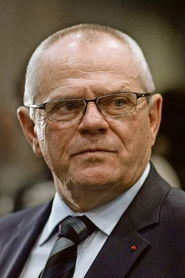
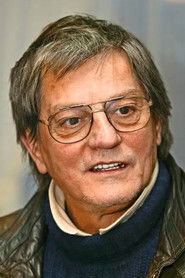
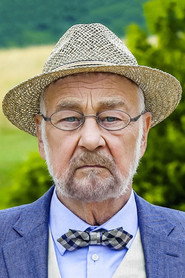
The film features standout performances from Emília Vášáryová, Milan Kňažko, Jozef Adamovič, Leopold Haverl, and Zuzana Frenglová, each bringing depth to their roles.
Is Posledná zastávka (1986) worth watching?
While Posledná zastávka is a powerful war drama with strong performances, its slow pacing and thematic weight may not appeal to everyone. Fans of historical dramas with a focus on character-driven narratives will likely find it compelling, though it lacks the mainstream appeal of more action-packed war films.
How long is Posledná zastávka?
Runtime details are not listed.
About Posledná zastávka (1986) — A war drama of survival at a forgotten railway station
Posledná zastávka (1986), directed by the visionary Miloš Pietor, is a haunting World War II drama that lingers in the mind long after the credits roll. Set against the backdrop of a war-torn Europe, the film follows a group of travelers stranded at a remote railway station, where the weight of their pasts collides with the uncertainty of their futures. Through sharp character studies and atmospheric tension, Pietor crafts a narrative that explores survival, sacrifice, and the fragile threads of humanity in the face of devastation. The cast, led by the incomparable Emília Vášáryová and Milan Kňažko, delivers performances steeped in raw emotion, each actor bringing depth to their roles as ordinary people caught in extraordinary circumstances. The film's stark visuals and deliberate pacing evoke a sense of dread and inevitability, making it a standout entry in the war-drama genre.
Posledná zastávka is more than just a war film—it's a meditation on the choices we make when pushed to the brink. The station itself becomes a character, a liminal space where fate hangs in the balance. The themes of moral ambiguity and resilience are woven into every scene, creating a tapestry that challenges the viewer to reflect on the cost of survival. With its unflinching portrayal of human nature under pressure, the film stands as a testament to Pietor's skill as a storyteller and to the power of cinema to capture the unspoken truths of history.