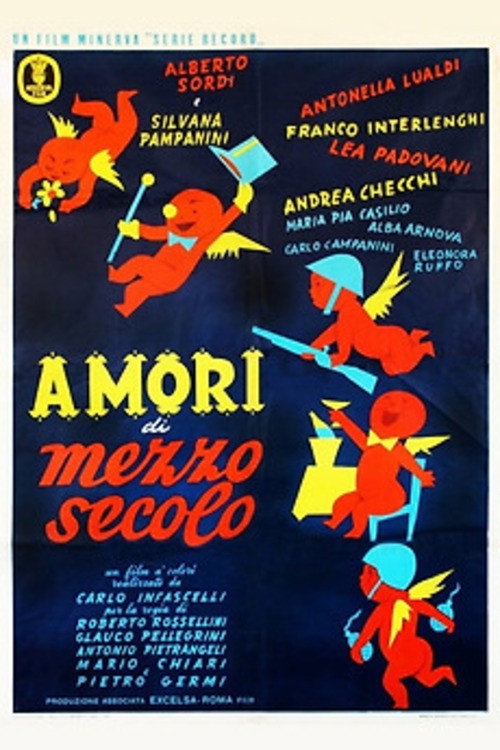
Naples 1943 1954
Naples in 1943 is a raw slice of Italian neorealist history, set against the thunderous backdrop of WWII bombings at the Teatro di San Carlo.
Director: Roberto Rossellini
Cast

Frequently Asked Questions
What is Naples 1943 (1954) about?
Naples in 1943 follows a young extra and an airman who meet during air raids at the Teatro di San Carlo. Their brief romance unfolds as the city crumbles around them, testing the limits of hope and fate. The film captures their fleeting connection in a single, poignant moment before war's cruel hand intervenes.
Who directed Naples 1943?
Roberto Rossellini, the legendary Italian director, helmed this segment as part of the anthology film "Mid-Century Loves."
Who stars in Naples 1943?
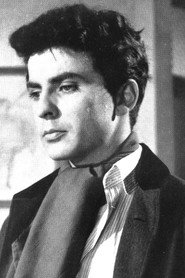
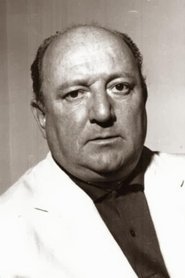
The film features Antonella Lualdi as Carla, Franco Pastorino as Renato, and Ugo D'Alessio in supporting roles.
Is Naples 1943 (1954) worth watching?
While short, Naples in 1943 delivers a powerful punch of neorealist storytelling. Its blend of historical weight and emotional resonance makes it a compelling watch for fans of Italian cinema and wartime dramas. The film's brevity only heightens its impact, leaving a lasting impression of love and loss.
How long is Naples 1943?
Naples in 1943 runs for approximately 20 minutes.
About Naples 1943 (1954) — A wartime romance in the heart of Naples' bombed opera house
Naples in 1943 is a raw slice of Italian neorealist history, set against the thunderous backdrop of WWII bombings at the Teatro di San Carlo. Director Roberto Rossellini crafts a brief but unforgettable wartime romance as rehearsals at the grand opera house are repeatedly interrupted by air-raid sirens. Amid the chaos, an extra named Carla and a young airman called Renato find fleeting connection in the shelter, their love story unfolding in the shadow of impending separation. The film captures the fragility of human bonds amid destruction, blending historical urgency with intimate emotion.
With its stark visuals and emotional restraint, this 20-minute segment from the anthology "Mid-Century Loves" offers a poignant meditation on survival and longing. Rossellini's lens lingers on the resilience of ordinary people, their dreams momentarily revived in the ruins of war. The contrast between the splendor of the opera house and the brutality outside creates a haunting atmosphere, making Naples in 1943 a quietly powerful testament to love's endurance in the bleakest of times.