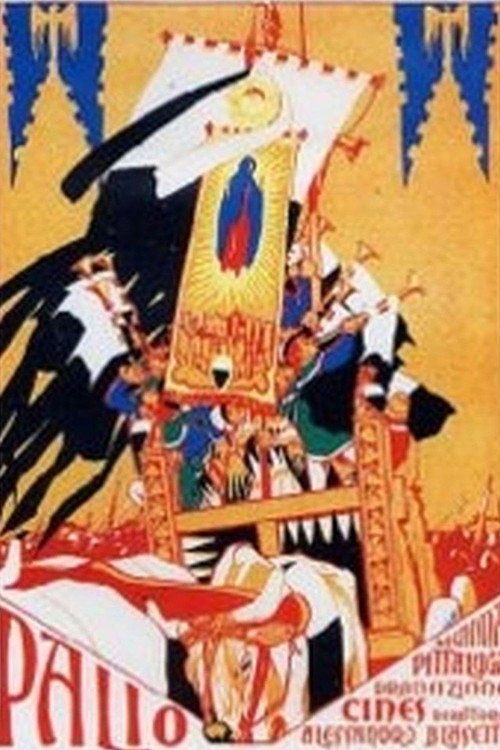
Palio 1932
Alessandro Blasetti's *Palio (1932)* transports viewers to the vibrant, high-stakes world of Siena's historic horse race, where passion and rivalry collide in a gripping tale of love and betrayal.
Director: Alessandro Blasetti
Cast


Frequently Asked Questions
What is Palio (1932) about?
This 1932 Italian drama follows Zarre, a jockey chosen to ride for his neighborhood in Siena's legendary Palio race. His engagement to Fiora is tested when he becomes entangled with Liliana, a singer caught in a rival jockey's vengeful scheme, leading to a web of love, jealousy, and competition.
Who directed Palio?
Alessandro Blasetti directed *Palio*, a pioneering figure in Italian cinema known for blending historical authenticity with dramatic storytelling.
Who stars in Palio?
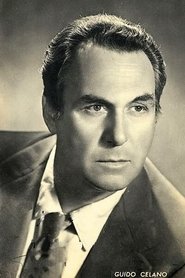
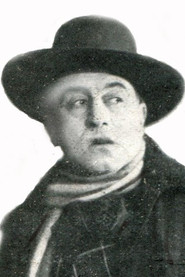
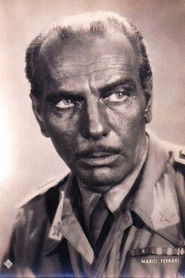
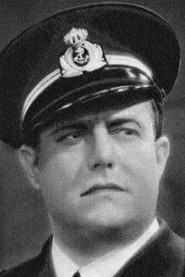
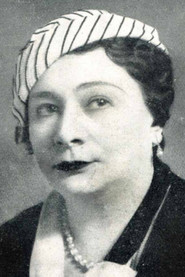
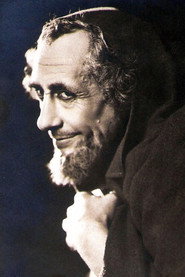
The film features Guido Celano as Zarre, Leda Gloria as Fiora, Laura Nucci as Liliana, Vasco Creti as Bachicche, and Mario Ferrari among the cast.
Is Palio (1932) worth watching?
As a classic Italian drama, *Palio (1932)* offers a compelling snapshot of early cinema with strong performances and thematic depth. While it lacks an IMDb rating, its historical significance and engaging narrative make it a rewarding watch for fans of vintage films and period dramas.
How long is Palio?
The runtime for *Palio (1932)* is 90 minutes.
About Palio (1932) — A Glorious Race of Love and Betrayal in Classic Italian Cinema
Alessandro Blasetti's *Palio (1932)* transports viewers to the vibrant, high-stakes world of Siena's historic horse race, where passion and rivalry collide in a gripping tale of love and betrayal. Set against the backdrop of the iconic Palio di Siena, the film follows Zarre (Guido Celano), a skilled jockey chosen to represent the Lupa contrada, and his fiancée Fiora (Leda Gloria). But when Zarre's heart drifts toward the captivating Liliana (Laura Nucci), a sultry café singer entangled in a vendetta with Bachicche (Vasco Creti), a rival jockey, the stage is set for a dramatic clash of emotions and ambition.
Blending drama and romance with the rich cultural tapestry of 1930s Italy, *Palio (1932)* captures the fiery intensity of its setting, where every glance and gesture carries weight. The film's themes of loyalty, desire, and competition unfold in a tightly woven narrative that reflects both personal stakes and communal pride. With its evocative atmosphere and sharp character dynamics, this early Italian classic offers a timeless exploration of human frailty set against one of the world's most thrilling traditions.