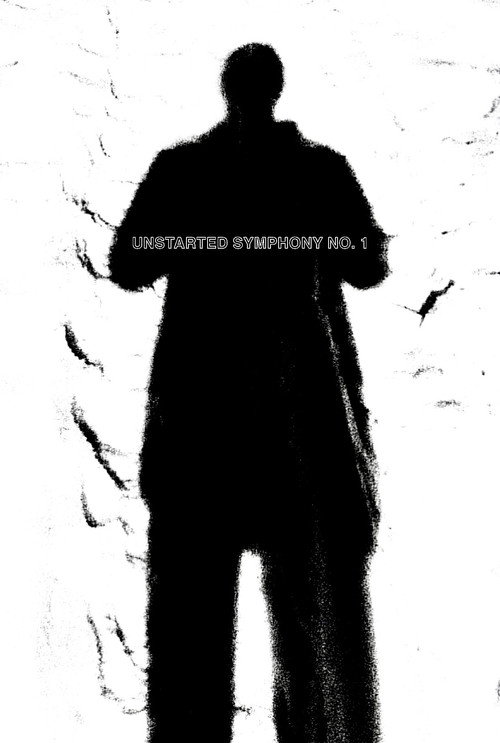
Unstarted Symphony No. 1 2014
"We Fell"
Unstarted Symphony No. 1 (2014) is an enigmatic 8-minute documentary directed by Steven Soderbergh that explores the paradox of something that cannot exist—yet lingers in the imagination.
Director: Steven Soderbergh
Cast

Frequently Asked Questions
What is Unstarted Symphony No. 1 (2014) about?
This short documentary confronts the idea of something that cannot exist, framed through the lens of a symphony that was never composed. It explores the tension between absence and artistic ambition, leaving viewers to ponder the stories we never hear.
Who directed Unstarted Symphony No. 1?
Steven Soderbergh directed this experimental documentary, showcasing his versatility beyond mainstream cinema.
Who stars in Unstarted Symphony No. 1?
The film features Steven Soderbergh as the sole credited participant, though the focus is more on the concept than the cast.
Is Unstarted Symphony No. 1 (2014) worth watching?
At just 8 minutes, this documentary punches above its weight with its philosophical depth and atmospheric tone. While it won't appeal to everyone, it's a thought-provoking watch for fans of experimental or avant-garde films.
How long is Unstarted Symphony No. 1?
Unstarted Symphony No. 1 has a runtime of 8 minutes.
About Unstarted Symphony No. 1 (2014) — A Philosophical Short Film by Steven Soderbergh
Unstarted Symphony No. 1 (2014) is an enigmatic 8-minute documentary directed by Steven Soderbergh that explores the paradox of something that cannot exist—yet lingers in the imagination. The film delves into themes of absence and potential, questioning how we grapple with ideas that are deliberately left unfinished. Soderbergh, known for his bold storytelling, crafts an atmospheric piece that feels both intimate and elusive, inviting viewers to reflect on the nature of creation and the stories we never get to hear. The documentary's quiet intensity and philosophical undertones make it a standout in Soderbergh's filmography.
Tagged with the poetic tagline "We Fell," the film embraces its own contradictions, offering a meditative experience that lingers long after the credits roll. Its brevity belies its depth, as it challenges audiences to confront the beauty in what remains unwritten and the stories that exist only in the spaces between notes.