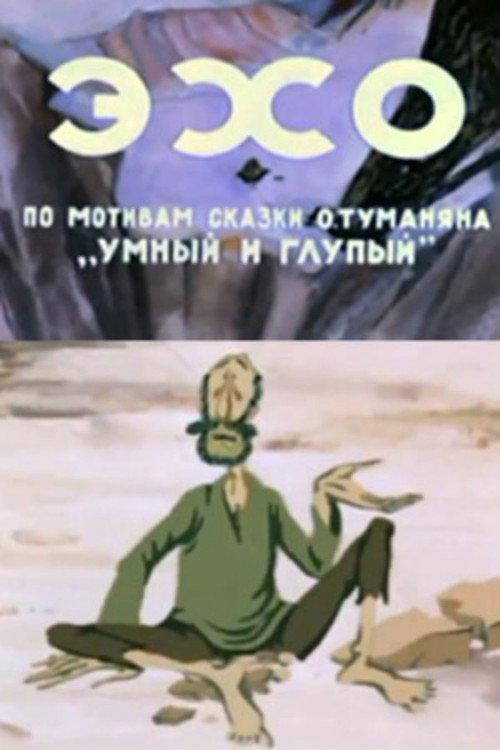
Echo 1986
In the 1986 animated short *Echo (1986)*, a simple peasant sets off on a peculiar journey when he decides to sell his loyal cow to a mysterious tree, convinced it offers untold riches.
Director: Lyudmila Sahakyants
Frequently Asked Questions
What is Echo (1986) about?
The film follows a peasant who tries to sell his cow to a tree, naively expecting to receive gold in exchange. His persistent demands highlight the absurdity of his situation, blending humor with a critique of greed. The short story unfolds with minimal dialogue, relying on visual storytelling to deliver its message.
Who directed Echo?
Director information is not available.
Who stars in Echo?
Cast details are not provided for this 1986 animated short.
Is Echo (1986) worth watching?
As an unrated Soviet-era animation short, *Echo (1986)* offers a unique mix of comedy and drama in just seven minutes. Its clever satire and minimalist style make it a fascinating watch for animation buffs, though it may appeal to a niche audience due to its abstract premise.
How long is Echo?
Runtime details are not listed.
About Echo (1986) — A Whimsical Soviet Animation Short with a Twist
In the 1986 animated short *Echo (1986)*, a simple peasant sets off on a peculiar journey when he decides to sell his loyal cow to a mysterious tree, convinced it offers untold riches. His relentless pursuit of payment—demanding gold for the animal despite the absurdity of the situation—creates a whimsical yet thought-provoking tale that blends humor with deeper themes of greed and delusion. Directed by Lyudmila Sahakyants, this seven-minute gem from Soviet-era animation stands out in the Drama, Comedy, and Animation genres, weaving a narrative that feels both timeless and uniquely Eastern European. The film's minimalist style and sharp satire leave a lasting impression, making it a curious artifact for animation enthusiasts and classic film lovers alike.
The director's deft touch transforms a seemingly silly premise into a poignant reflection on human nature, where persistence borders on folly. The peasant's blind faith in the tree's promises mirrors universal struggles with misplaced trust and the absurd lengths people go to chase unattainable dreams. With its concise runtime and vivid storytelling, *Echo (1986)* is a standout example of how animation can transcend its medium to deliver sharp social commentary, wrapped in humor and heart.