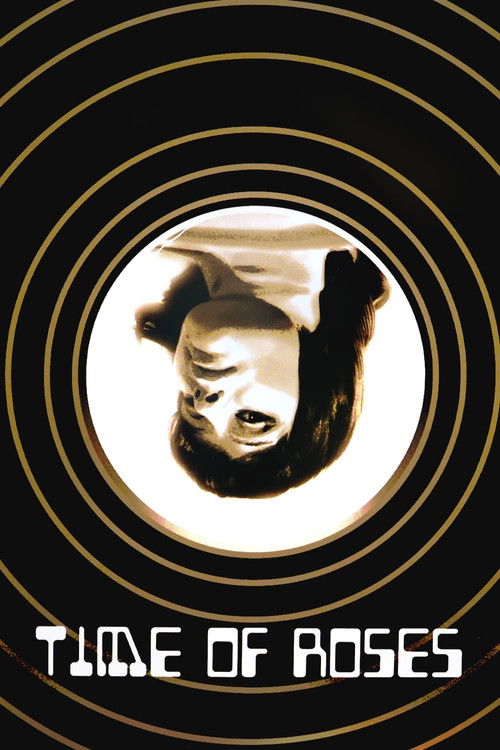
Time of Roses 1969
"Risto Jarva's film about the future."
Time of Roses (1969), a visionary Finnish sci-fi drama by Risto Jarva, paints a haunting portrait of 1970s Finland through the eyes of a historian unwinding a tragic model's past in 2012.
Director: Risto Jarva
Cast





Frequently Asked Questions
What is Time of Roses (1969) about?
This Finnish sci-fi drama follows historian Raimo Lappalainen in 2012 as he reconstructs the life and death of a 1970s nude model, Saara Turunen, using a staged documentary approach. The film intertwines this personal obsession with the explosive cover-up of a nuclear plant strike, exposing how power shapes both history and perception.
Who directed Time of Roses?
Time of Roses was directed by Risto Jarva, a pioneering figure in Finnish cinema known for blending social realism with speculative storytelling.
Who stars in Time of Roses?
The film features Arto Tuominen as historian Raimo Lappalainen, Ritva Vepsä as the evocative model Saara Turunen, and is supported by a talented ensemble including Tarja Markus, Arja Saijonmaa, and Eila Pehkonen.
Is Time of Roses (1969) worth watching?
Though lacking an IMDb rating, Time of Roses stands out for its bold narrative structure and its haunting exploration of memory and media bias. Fans of cerebral sci-fi and Finnish New Wave cinema will appreciate its atmospheric tension and thought-provoking themes, even if its pacing may feel deliberate for some viewers.
How long is Time of Roses?
The film has a runtime of 111 minutes.
🎥 Trailer
About Time of Roses (1969) — A Finnish Sci-Fi Drama on Memory and Media Manipulation
Time of Roses (1969), a visionary Finnish sci-fi drama by Risto Jarva, paints a haunting portrait of 1970s Finland through the eyes of a historian unwinding a tragic model's past in 2012. As Raimo Lappalainen fixates on Saara Turunen's life and death, he stages her rise and fall with unsettling precision, all while a nuclear plant strike is buried by the media's complicity. Jarva blends stark realism with speculative foresight, conjuring an atmosphere of quiet dread and nostalgic unease that lingers long after the credits roll. The film's experimental tone and sharp social commentary make it a standout entry in Finnish New Wave cinema.
Diving into themes of memory, media manipulation, and societal fractures, Time of Roses uses its sci-fi framework to reflect on the present through a distorted mirror. The interplay between Arto Tuominen's driven historian and Ritva Vepsä's enigmatic model anchors a story that oscillates between meticulous reconstruction and unsettling prophecy. Jarva's direction crafts a moody, introspective space where the past isn't just revisited—it's interrogated, revealing how history is curated, censored, and weaponized.