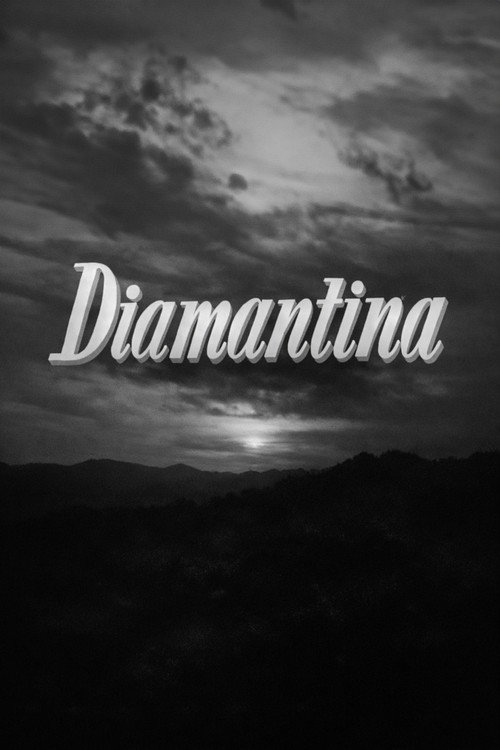
Diamantina 1958
Step back to 1958 with *Diamantina*, a captivating documentary directed by Geraldo Santos Pereira that paints a vivid portrait of a timeless Brazilian gem.
Director: Geraldo Santos Pereira
Frequently Asked Questions
What is Diamantina (1958) about?
*Diamantina* is a lyrical documentary that documents life in the historic Brazilian town of the same name during the 1950s. Through evocative imagery, the film explores the intersection of tradition and change in a UNESCO-protected setting shaped by its colonial past.
Who directed Diamantina?
Director information for *Diamantina* is not available.
Who stars in Diamantina?
Cast details for *Diamantina* are not listed.
Is Diamantina (1958) worth watching?
While lacking a rating, *Diamantina* offers a unique slice-of-life glimpse into early modern Brazil, appealing to fans of historical documentaries and atmospheric visual storytelling. Its quiet charm lies in its authenticity rather than drama.
How long is Diamantina?
Runtime details for *Diamantina* are not listed.
About Diamantina (1958) — A 1950s Visual Ode to Brazil's Colonial Jewel
Step back to 1958 with *Diamantina*, a captivating documentary directed by Geraldo Santos Pereira that paints a vivid portrait of a timeless Brazilian gem. This black-and-white visual poem transports viewers to the sun-kissed colonial streets of Diamantina, a UNESCO-listed town where cobblestone alleys hum with stories of the past. Pereira's lens captures the rhythm of daily life in the 1950s, from bustling markets to quiet churchyards, all set against the dramatic backdrop of Serra do Espinhaço's rugged mountains. The film blends cultural heritage with everyday humanity, revealing how tradition and modernity coexist in this historic enclave.
As a window into mid-century Brazil, *Diamantina (1958)* offers more than just scenery—it's a journey through identity, craftsmanship, and resilience. The documentary immerses audiences in the local art of lace-making, the echoes of baroque churches, and the enduring spirit of a community shaped by gold rushes and Baroque grandeur. Pereira's direction favors gentle observation over narration, allowing the town's character to unfold organically, making this a quiet cinematic treasure for lovers of history and visual storytelling.