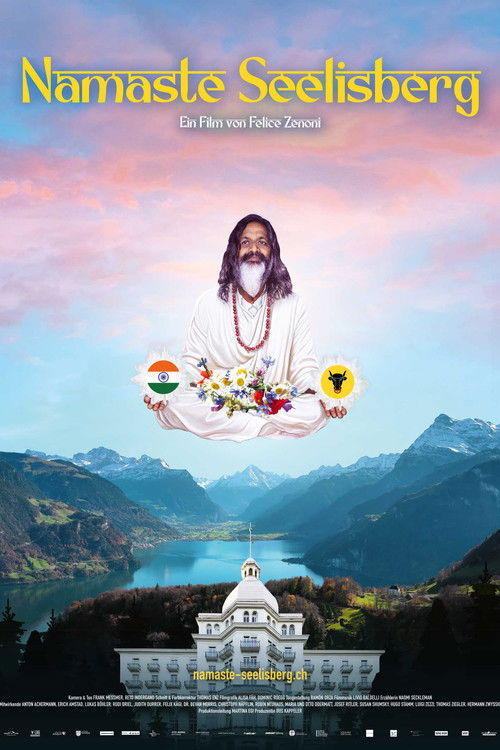
Namaste Seelisberg 2026
In *Namaste Seelisberg (2026)*, director Felice Zenoni revisits the quiet Swiss village of Seelisberg, where a moment of spiritual upheaval in the 1970s left a lasting imprint on its predominantly Catholic community.
Director: Felice Zenoni
Frequently Asked Questions
What is Namaste Seelisberg (2026) about?
The documentary follows the ripple effects of Maharishi Mahesh Yogi's visit to Seelisberg in the 1970s, chronicling how a small Catholic farming village grappled with—and ultimately adapted to—the sudden arrival of a global spiritual movement. Through interviews and historical records, it traces the transformation of the Grand Hotel and the fading legacy of Transcendental Meditation in the region.
Who directed Namaste Seelisberg?
Felice Zenoni helms this introspective documentary, known for his nuanced approach to cultural and social histories.
Who stars in Namaste Seelisberg?
Director information for the cast is not available at this time. The film focuses on interviews with villagers, former guests of the Grand Hotel, and local historians rather than traditional performers.
Is Namaste Seelisberg (2026) worth watching?
As a documentary, *Namaste Seelisberg* offers a rare glimpse into how spiritual movements leave their mark on everyday communities. Its slow, reflective pace may not appeal to all, but for those interested in cultural history or quiet social dramas, it could be a rewarding watch.
How long is Namaste Seelisberg?
The runtime for *Namaste Seelisberg (2026)* is 93 minutes.
🎥 Trailer
About Namaste Seelisberg (2026) — A Swiss Village's Unlikely Encounter with Transcendental Meditation
In *Namaste Seelisberg (2026)*, director Felice Zenoni revisits the quiet Swiss village of Seelisberg, where a moment of spiritual upheaval in the 1970s left a lasting imprint on its predominantly Catholic community. The documentary delves into the legacy of Maharishi Mahesh Yogi's arrival, exploring how a brief but intense encounter with Transcendental Meditation transformed a sleepy alpine setting—and what became of the Grand Hotel, once a hub of meditation retreats and cultural exchange. Through archival footage and personal accounts, the film captures the fading echoes of a movement that once drew global attention, now reduced to a footnote in local history. Yet beneath the quiet valleys and modern-day indifference lies a story of curiosity, conflict, and the enduring search for meaning.
Zenoni's observational lens reveals a village caught between tradition and transformation, where the spiritual fervor of decades past has settled into nostalgia and gentle skepticism. Without moralizing, *Namaste Seelisberg (2026)* invites viewers to ponder how moments of collective excitement shape places—and people—long after the spotlight moves on.