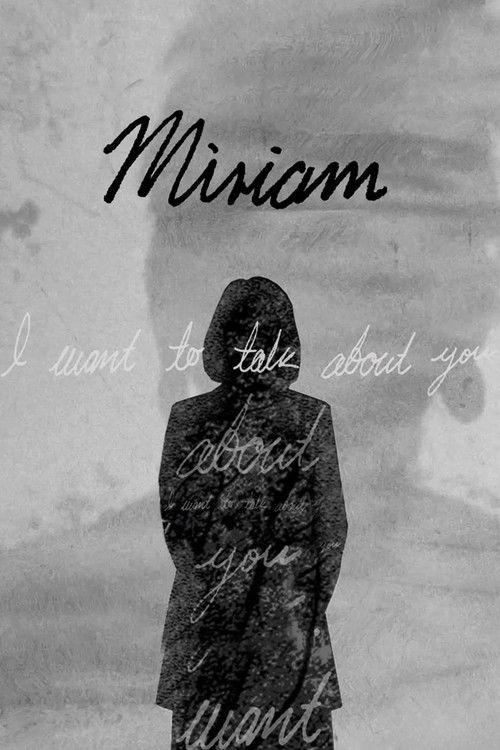
Miriam 2026
Dive into the raw emotions of grief and resilience with *Miriam (2026)*, a poignant documentary directed by Karla Condado. This 20-minute film is a deeply personal letter from the director to her aunt, whose life was tragically cut short by intimate partner violence.
Director: Karla Condado
Frequently Asked Questions
What is Miriam (2026) about?
*Miriam (2026)* is Karla Condado's deeply personal documentary letter to her aunt, who was a victim of femicide. The film delves into the emotional aftermath of this tragedy, examining grief, fear, and the slow process of healing within a family.
Who directed Miriam?
Director Karla Condado helm the project, bringing her own family's heartbreaking experience to the screen with sensitivity and raw honesty.
Who stars in Miriam?
As a documentary focused on personal testimony, the cast primarily features Karla Condado and her family members sharing their stories.
Is Miriam (2026) worth watching?
While still unrated, *Miriam (2026)* stands out for its emotional depth and timely themes. Its short runtime doesn't diminish its impact, offering a powerful perspective on femicide and recovery. A must-watch for documentary enthusiasts seeking authenticity.
How long is Miriam?
The film runs for 20 minutes, delivering a concise yet deeply moving experience.
About Miriam (2026) — A Raw and Poignant Documentary on Femicide and Recovery
Dive into the raw emotions of grief and resilience with *Miriam (2026)*, a poignant documentary directed by Karla Condado. This 20-minute film is a deeply personal letter from the director to her aunt, whose life was tragically cut short by intimate partner violence. Through intimate storytelling, Condado explores the lingering shadows of femicide, the collective fear that grips a family, and the courage it takes to shatter the silence around such trauma. The atmosphere is one of quiet intensity, blending sorrow with the first fragile steps toward healing, making it a compelling watch for those drawn to powerful, real-life narratives.
*Miriam (2026)* doesn't just document loss—it becomes a space for catharsis. Karla Condado crafts a film that balances raw honesty with poetic restraint, offering a glimpse into the complex emotions surrounding violence against women. By turning her grief into art, she invites viewers to witness the transformative power of breaking free from fear and reclaiming one's voice. A short but impactful documentary, it lingers long after the credits roll.