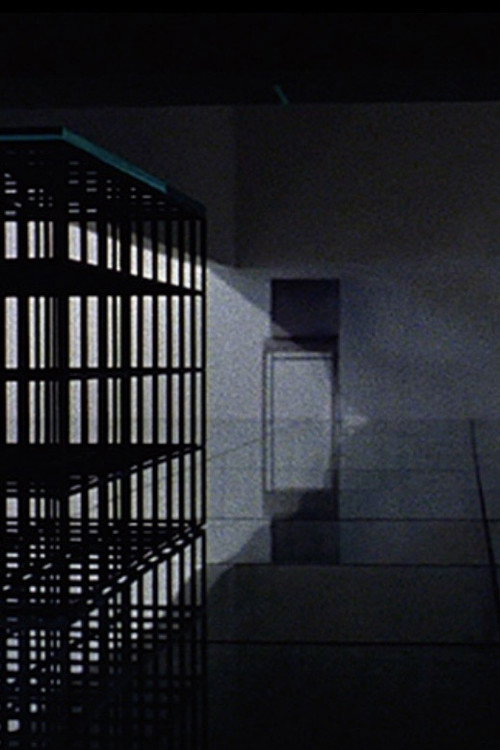
DUBHOUSE 2012
DUBHOUSE (2012) is a hauntingly poetic short documentary directed by Kei Shichiri, exploring the interplay between architecture and darkness through Ryoji Suzuki's installation *Busshitsu Shiko 51: DUBHOUSE*.
Director: Kei Shichiri
Frequently Asked Questions
What is DUBHOUSE (2012) about?
*DUBHOUSE* follows architect Ryoji Suzuki's installation *Busshitsu Shiko 51* at Tokyo's National Museum of Modern Art, which initially examined the interplay of light and shadow. After the 2011 earthquake, the film incorporates Suzuki's sketches of the disaster zone, transforming the documentary into a reflection on how architecture and art respond to tragedy.
Who directed DUBHOUSE?
*DUBHOUSE* was directed by Kei Shichiri, who blends Suzuki's drawings with the installation's visuals to craft a poignant short film.
Who stars in DUBHOUSE?
Director information is not available.
Is DUBHOUSE (2012) worth watching?
While *DUBHOUSE* isn't a mainstream title, its 16-minute runtime and unique blend of architecture and disaster art make it a compelling watch for fans of experimental documentaries. Its emotional depth and thematic richness reward viewers seeking more than conventional storytelling.
How long is DUBHOUSE?
*DUBHOUSE* runs for 16 minutes.
About DUBHOUSE (2012) — A 16-Minute Film on Architecture, Darkness, and Disaster
DUBHOUSE (2012) is a hauntingly poetic short documentary directed by Kei Shichiri, exploring the interplay between architecture and darkness through Ryoji Suzuki's installation *Busshitsu Shiko 51: DUBHOUSE*. Premiering at Tokyo's National Museum of Modern Art in 2010, the film initially captured the delicate balance of light and shadow within Suzuki's work—until the devastating Great East Japan Earthquake of March 2011 reshaped its meaning entirely. Shichiri weaves the architect's sketches of the disaster-stricken region into the visual narrative, transforming *DUBHOUSE* into a meditation on resilience, fragility, and the unexpected consequences of design in the wake of catastrophe.
This 16-minute film blends architectural theory with raw emotional weight, using Suzuki's drawings and the museum's exhibits to evoke a quiet, thought-provoking atmosphere. The documentary's themes of impermanence and renewal unfold through stark contrasts—light versus darkness, structure versus chaos—creating a cinematic experience that lingers long after the credits roll. For viewers drawn to experimental docs that merge art and real-world events, *DUBHOUSE* offers a compelling, if somber, exploration of how architecture can reflect both human ambition and vulnerability.