From Above 2026
From Above (2026), directed by Alex Mendo, flips the cinematic experience on its head by placing viewers directly beneath the action.
Director: Alex Mendo
Cast
Frequently Asked Questions
What is From Above (2026) about?
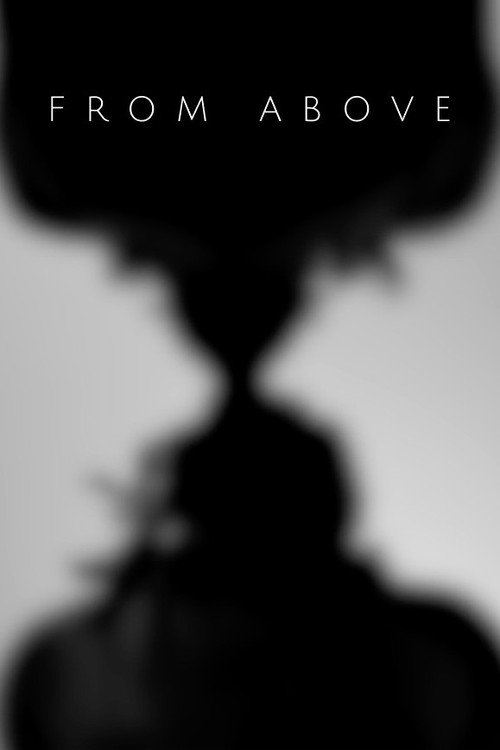
From Above (2026) offers a radical shift in how we experience visual storytelling by placing the viewer beneath the action. The film captures two translucent silhouettes engaged in an intimate moment, viewed as if through a glass surface from below. It's a meditation on perspective, intimacy, and the quiet power of observation.
Who directed From Above?
From Above (2026) is directed by Alex Mendo, known for his innovative and visually experimental approach to filmmaking.
Who stars in From Above?
The film stars Basil and Lampless, whose translucent silhouettes drive the film's unique visual narrative.
Is From Above (2026) worth watching?
With its bold perspective and atmospheric storytelling, From Above (2026) is a standout short film for those who appreciate experimental cinema. While unrated on IMDb, its creative vision and intimate yet abstract approach make it a refreshing watch for fans of unconventional narratives.
How long is From Above?
From Above (2026) has a runtime of 18 minutes.
From Above (2026): A Groundbreaking Short Film That Reimagines Perspective
From Above (2026), directed by Alex Mendo, flips the cinematic experience on its head by placing viewers directly beneath the action. This short film invites audiences to peer upward through a translucent glass-like surface, observing two silhouetted figures exploring intimacy with curiosity and tenderness. The unique perspective transforms an intimate moment into something visually striking and introspective, turning the act of watching into a voyeuristic yet reverent experience. Set against the quiet hum of human connection, the film explores themes of perspective, intimacy, and the boundaries between viewer and viewed, all while maintaining an atmosphere of dreamlike clarity.
Crafted with deliberate minimalism, From Above (2026) uses its unconventional angle to evoke curiosity and contemplation. The translucent silhouettes add a layer of abstraction, stripping away explicit detail to focus on form, movement, and the emotional weight of the scene. Mendo's direction ensures that what could have been a fleeting encounter becomes a meditative study of human connection, where every shift in posture and every glance carries weight in the confined, glass-like space above.