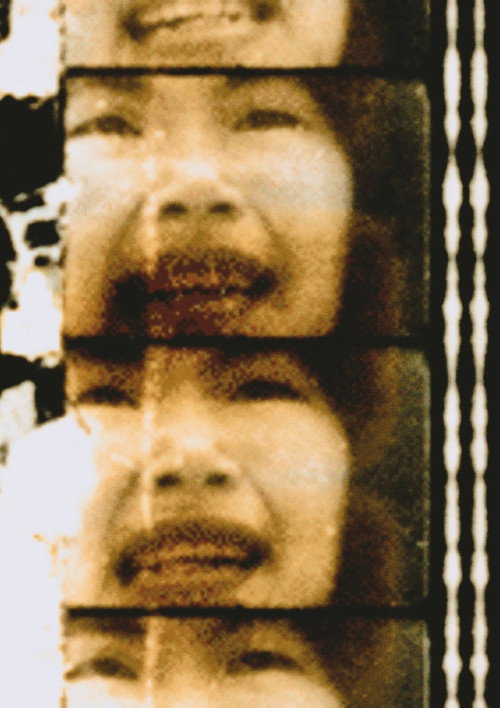
Paper Film 1972
Jun'ichi Okuyama's Paper Film (1972) is a radical departure from conventional cinema, transforming the medium itself into a fragile, ephemeral experience.
Director: Jun'ichi Okuyama
Frequently Asked Questions
What is Paper Film (1972) about?
Jun'ichi Okuyama's Paper Film (1972) reimagines cinema by using paper as its foundation instead of traditional film stock. The 15-minute short explores themes of impermanence and fragility, with the protagonist's face subtly shifting from monochrome to human tones as the paper medium interacts with the projector's light.
Who directed Paper Film?
Paper Film (1972) was directed by Jun'ichi Okuyama, a pioneering figure in experimental and avant-garde cinema whose work often challenges the boundaries of traditional filmmaking.
Who stars in Paper Film?
The main cast of Paper Film (1972) is not listed in available sources, reflecting its focus on the medium itself rather than traditional character-driven storytelling.
Is Paper Film (1972) worth watching?
While Paper Film (1972) isn't a conventional narrative, its bold experimental approach makes it a fascinating watch for fans of avant-garde cinema. The 15-minute runtime and unique concept offer a thought-provoking experience, though its appeal may depend on one's taste for abstract, non-traditional films.
How long is Paper Film?
Paper Film (1972) has a runtime of 15 minutes.
About Paper Film (1972) — When the medium becomes the message
Jun'ichi Okuyama's Paper Film (1972) is a radical departure from conventional cinema, transforming the medium itself into a fragile, ephemeral experience. Shot on paper rather than celluloid, this 15-minute experimental short challenges the permanence of filmmaking by embracing its vulnerability. The perforations are deliberately left open, a deliberate choice that mirrors the fragility of memory and the fleeting nature of art. As the monochrome images flicker across the screen, the protagonist's face subtly shifts from grayscale to a hauntingly human skin tone, blurring the line between abstraction and reality. The film's disposable nature isn't just a quirk—it's a statement about the ephemeral essence of cinema, where beauty and decay coexist.
Paper Film (1972) doesn't just subvert expectations; it dismantles them entirely. The risk of tearing or burning adds an element of unpredictability, turning each viewing into a unique encounter. Okuyama's work isn't merely a visual experiment—it's a meditation on impermanence, where the medium itself becomes part of the message. The stark black-and-white palette amplifies the eerie, almost ghostly atmosphere, leaving an indelible impression that lingers long after the paper burns away.