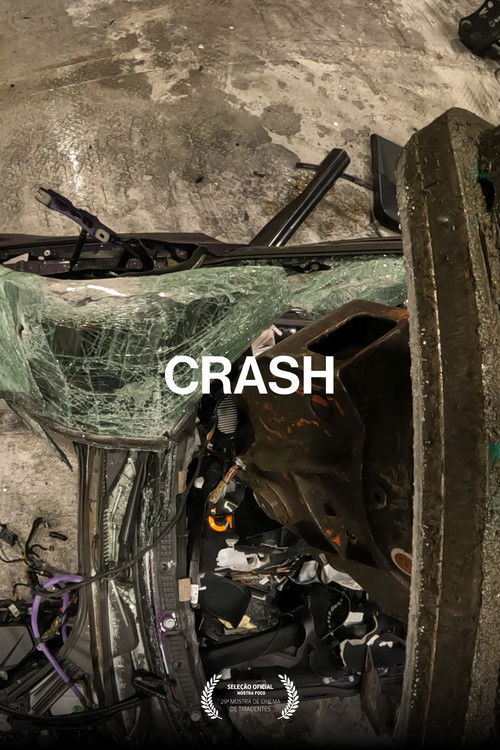
CRASH 2026
Step inside the hidden world of automotive rebirth with *CRASH (2026)*, Gabriela Mureb's immersive documentary that pulls back the curtain on Munich's BMW Recycling and Dismantling Center.
Director: Gabriela Mureb
Frequently Asked Questions
What is CRASH (2026) about?
The 19-minute documentary traces a single day at Munich's BMW Recycling and Dismantling Center, following the dismantling process of end-of-life vehicles. It transforms industrial mechanics into a cinematic meditation on reuse and renewal.
Who directed CRASH?
Director Gabriela Mureb crafts the documentary with a sharp, observational eye, turning a routine facility into a compelling visual study.
Who stars in CRASH?
Details about the cast are not yet available.
Is CRASH (2026) worth watching?
Though an unrated title, *CRASH* offers a unique, eco-conscious perspective that will appeal to documentary fans seeking substance over spectacle. Its concise runtime and focus on sustainability make it a worthy, thought-provoking pick.
How long is CRASH?
The film runs 19 minutes.
CRASH: Inside the Final Chapter of an Automobile — Full Movie Info
Step inside the hidden world of automotive rebirth with *CRASH (2026)*, Gabriela Mureb's immersive documentary that pulls back the curtain on Munich's BMW Recycling and Dismantling Center. Over 19 minutes of tightly focused storytelling, the film captures a single day in the life of this industrial facility, where end-of-life vehicles meet their final, meticulous transformation. Through crisp visuals and an unflinching lens, viewers witness the step-by-step dismantling process—crushers, cutters, and recyclers at work—each sequence revealing both the precision of modern engineering and the quiet poetry of renewal. The atmosphere is industrial yet contemplative, a meditation on sustainability disguised as a procedural documentary.
Directed by the observational Mureb, *CRASH* elevates a behind-the-scenes glimpse into a compelling narrative about environmental responsibility and the lifecycle of consumer goods. Far from a dry industrial profile, the film balances technical detail with surprising emotional weight, making the invisible visible. It's a short but striking portrait of how waste becomes resource, and how industry shapes our tomorrow.