Osmography 1994
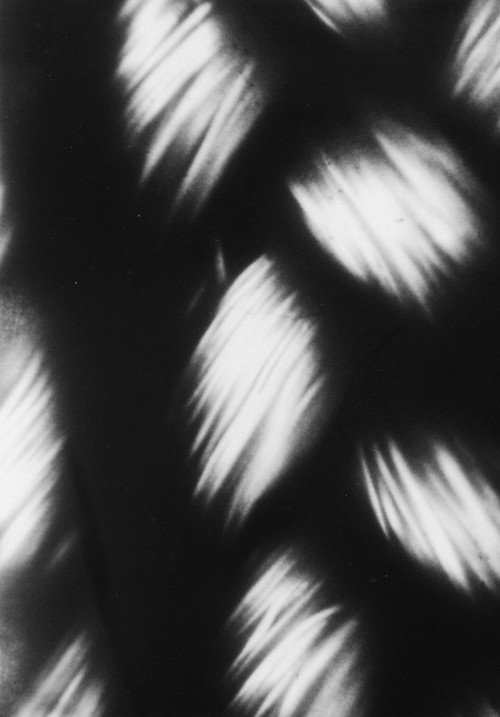
Osmography (1994) is a hypnotic nine-minute experimental short by Jun'ichi Okuyama, born from a bold experiment in analog filmmaking where the director meticulously followed negative development instructions to coax a Super-8 print into existence.
Director: Jun'ichi Okuyama
Frequently Asked Questions
What is Osmography (1994) about?
Osmography (1994) is a short experimental film that explores the intersection of visuals and audio through unconventional processing techniques. The director used negative development instructions to develop a Super-8 positive, creating a layered, dreamlike experience where images and sound overlap and interact in unexpected ways.
Who directed Osmography?
Osmography was directed by Jun'ichi Okuyama, a filmmaker known for pushing the boundaries of analog film techniques and experimental cinema.
Who stars in Osmography?
Cast information for Osmography (1994) is not listed.
Is Osmography (1994) worth watching?
While Osmography (1994) is a niche experimental short with no IMDb rating, it offers a unique glimpse into avant-garde filmmaking. Its nine-minute runtime delivers a dense, atmospheric experience that will appeal to fans of abstract visual art and sound design, though it may not satisfy traditional narrative expectations.
How long is Osmography?
Osmography (1994) has a runtime of 9 minutes.
About Osmography (1994) — A nine-minute experimental film that fuses sound and image into cinematic alchemy
Osmography (1994) is a hypnotic nine-minute experimental short by Jun'ichi Okuyama, born from a bold experiment in analog filmmaking where the director meticulously followed negative development instructions to coax a Super-8 print into existence. Blending image and sound through overlapping layers, the film reimagines Okuyama's earlier work *My Movie Melodies* by merging optical recording techniques with audio, crafting a sensory experience that feels both nostalgic and avant-garde. The result is a meditative collision of light, shadow, and texture, where visuals pulse in rhythm with the soundtrack, inviting viewers into a flickering dreamscape of fading memories and silent motion.
Diving into the realm of experimental cinema, Osmography (1994) stands as a testament to the alchemy of filmmaking, transforming technical constraints into artistic expression. While concise in runtime, its impact lingers like an afterimage on the retina, challenging traditional storytelling by prioritizing atmosphere and abstraction over narrative. The film's raw, tactile quality—achieved through deliberate processing choices—creates an immersive loop of sight and sound that feels like peering into the subconscious of cinema itself.