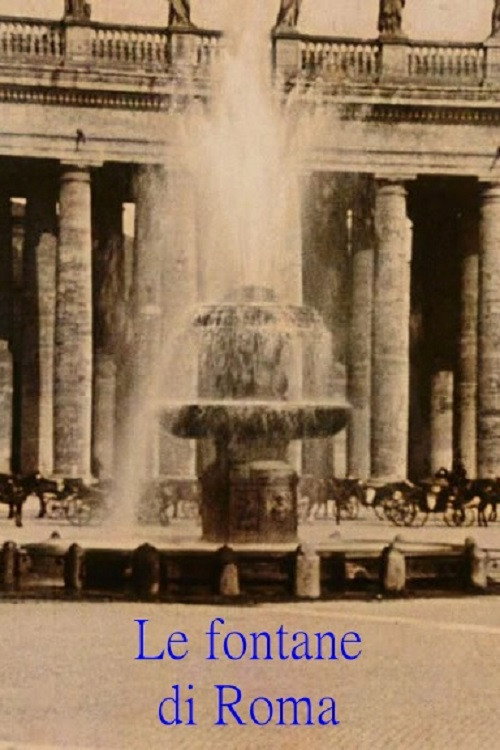
The Fountains of Rome 1907
Step back into cinema's infancy with *The Fountains of Rome (1907)*, a mesmerizing four-minute documentary that captures the eternal city's timeless beauty through the lens of early filmmaking.
Frequently Asked Questions
What is The Fountains of Rome (1907) about?
This early silent documentary invites viewers on a brief but stunning visual tour of Rome's most famous fountains, including the grand ensemble at St. Peter's Square. The film captures the interplay between water, architecture, and light, transporting audiences to the heart of the Eternal City.
Who directed The Fountains of Rome?
Director information is not available.
Who stars in The Fountains of Rome?
Cast details are not listed for this 1907 short film.
Is The Fountains of Rome (1907) worth watching?
*The Fountains of Rome (1907)* is a fascinating time capsule for silent film enthusiasts and history buffs. Clocking in at just four minutes, it offers a charming glimpse into early cinematography and the enduring appeal of Rome's landmarks, even without a plot.
How long is The Fountains of Rome?
The runtime is 4 minutes.
🎥 Trailer
About The Fountains of Rome (1907) — Early Cinema's Love Letter to Rome's Fountains
Step back into cinema's infancy with *The Fountains of Rome (1907)*, a mesmerizing four-minute documentary that captures the eternal city's timeless beauty through the lens of early filmmaking. Directed by an unknown pioneer, this silent short transports viewers to the grand plazas and iconic fountains of Rome, most notably the breathtaking ensemble at St. Peter's Square. The camera glides across ornate architecture and water features, offering a fleeting yet vivid glimpse of Europe's cultural heart brought to life in New York theaters. Though modest in length, the film radiates an artistic reverence for classical aesthetics and the enduring allure of Rome.
Long before CGI or digital effects, *The Fountains of Rome* showcased the magic of moving images by immortalizing architectural splendor through motion. Its panoramic tour emphasizes not just the fountains themselves, but the harmony between water, stone, and sky that defines the Eternal City. A rare artifact of silent-era cinema, this film remains a testament to how early filmmakers used the new medium to celebrate human creativity and beauty.
While director and cast details are lost to time, the film's visual poetry speaks volumes about the power of early cinema to evoke wonder.