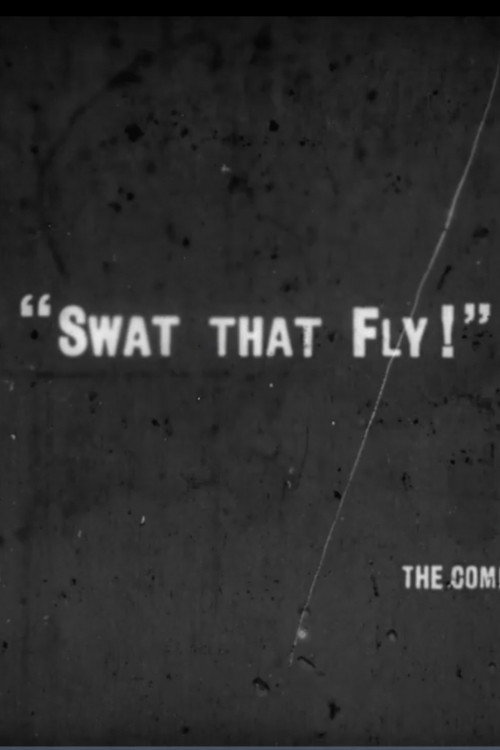
Swat That Fly! 1915
Step into the strange but fascinating world of early 20th-century public health education with *Swat That Fly!* (1915), a short silent documentary that turns a seemingly ordinary housefly into an unlikely villain.
Frequently Asked Questions
What is Swat That Fly! (1915) about?
*Swat That Fly!* is a silent-era public health short that uses stark visuals to explain how houseflies spread disease. Filmed in documentary style, it shows flies feeding on an infected wound and then contaminating baby bottles, making a chilling connection across time and place.
Who directed Swat That Fly!?
Director information is not available.
Who stars in Swat That Fly!?
This short film features no credited actors, focusing instead on real-life scenes of flies and their environments.
Is Swat That Fly! (1915) worth watching?
Though unrated on IMDb, *Swat That Fly!* is a fascinating piece of early documentary filmmaking. Its historical value and stark visual storytelling make it worth a look for silent film enthusiasts and those interested in public health history.
How long is Swat That Fly!?
The runtime is listed as 6 minutes.
About Swat That Fly! (1915) — The 1915 Silent Short Exposing Flies as Disease Carriers
Step into the strange but fascinating world of early 20th-century public health education with *Swat That Fly!* (1915), a short silent documentary that turns a seemingly ordinary housefly into an unlikely villain. Directed by an unknown filmmaker, this six-minute wonder blends stark realism with subtle alarm to expose how flies spread disease, using unsettling visual contrasts to drive its message home. Shot across different locations, the film captures flies feasting on an open sore before crawling onto the teat of a baby's bottle, linking these images to highlight the insect's role as a silent disease vector.
A product of its time, *Swat That Fly!* delivers its warning with clinical precision and a touch of early cinematic drama. Though simple in structure, it reflects the growing public health awareness of the 1910s, using haunting visual storytelling to leave a lasting impression. Fans of silent-era films and historical health documentaries will find its approach both intriguing and thought-provoking.