The Biggest Post-war Kidnapping: The Yoshinobu case 1979
Directed by Hideo Onchi, this chilling 1979 TV movie plunges viewers into the depths of post-war Japan's darkest crimes.
Director: Hideo Onchi
Cast





Frequently Asked Questions
What is The Biggest Post-war Kidnapping: The Yoshinobu case (1979) about?
This powerful TV movie recounts the tragic kidnapping and murder of four-year-old Yoshinobu Murakoshi, set against the backdrop of post-war Japan. It explores the brutal crime and its far-reaching consequences through a lens of raw realism and emotional depth.
Who directed The Biggest Post-war Kidnapping: The Yoshinobu case?
Hideo Onchi directed this harrowing film, bringing a documentary-like intensity to the disturbing true events it portrays.
Who stars in The Biggest Post-war Kidnapping: The Yoshinobu case?
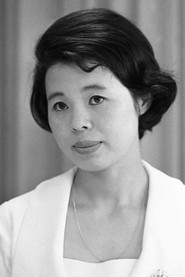
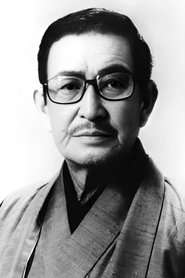
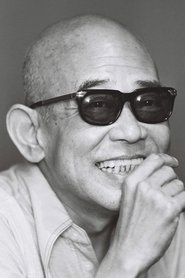
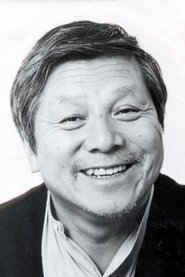
The film features standout performances from Shigeru Izumiya, Etsuko Ichihara, Jūzō Itami, Shinsuke Ashida, and Taiji Tonoyama in pivotal roles.
Is The Biggest Post-war Kidnapping: The Yoshinobu case (1979) worth watching?
While not rated on IMDb, the film's gripping crime-thriller format and its basis in real events make it a compelling watch for fans of intense, thought-provoking cinema. Its stark portrayal of tragedy will leave a lasting impression.
How long is The Biggest Post-war Kidnapping: The Yoshinobu case?
The Biggest Post-war Kidnapping: The Yoshinobu case has a runtime of 95 minutes.
The Biggest Post-war Kidnapping: The Yoshinobu Case (1979) — A Gripping True Crime Drama
Directed by Hideo Onchi, this chilling 1979 TV movie plunges viewers into the depths of post-war Japan's darkest crimes. Based on the real-life abduction and murder of four-year-old Yoshinobu Murakoshi, the film weaves a gripping tale of crime and consequence that lingers long after the credits roll. With a stellar cast including Shigeru Izumiya, Etsuko Ichihara, and Jūzō Itami, the movie thrives on its raw, documentary-style atmosphere, blending thriller and crime elements into a harrowing exploration of loss and justice. The haunting narrative doesn't just recount a tragedy—it forces audiences to confront the brutal realities of a society still grappling with the scars of war.
The Biggest Post-war Kidnapping: The Yoshinobu case (1979) isn't just another crime drama; it's a stark reminder of how far some will go to exploit innocence. Onchi's direction amplifies the tension, making every scene feel like a step closer to the inevitable tragedy. The film's unflinching portrayal of human cruelty is balanced by the emotional depth of its characters, leaving viewers unsettled yet deeply reflective about the fragility of life and the weight of justice.