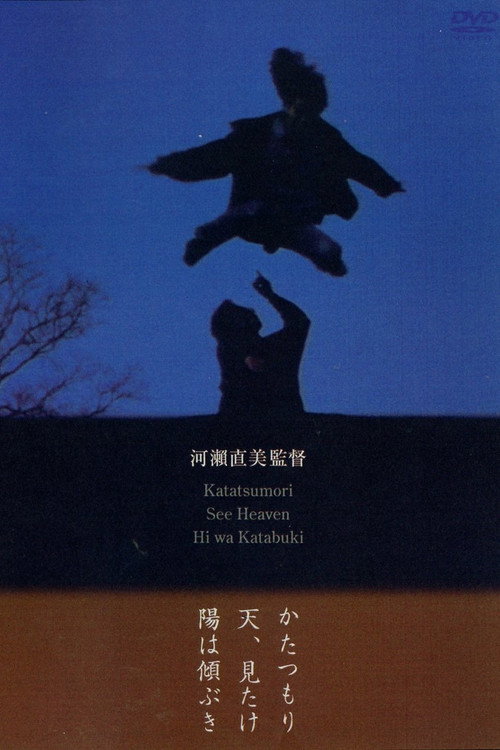
Sun on the Horizon 1996
Naomi Kawase's *Sun on the Horizon* (1996) closes her intimate documentary trilogy with a meditative gaze into the quiet moments of life. The 45-minute film captures the director's tender lens fixed on her grandmother and herself, weaving a tapestry of memory and presence.
Director: Naomi Kawase
Cast

Frequently Asked Questions
What is Sun on the Horizon (1996) about?
*Sun on the Horizon* (1996) is the final chapter in Naomi Kawase's documentary trilogy, focusing on her grandmother and her own life with a tender, observational lens. The film captures fleeting yet profound moments of connection and reflection, blending personal history with universal themes of love and loss.
Who directed Sun on the Horizon?
Naomi Kawase directed *Sun on the Horizon* (1996), bringing her signature poetic and intimate style to this deeply personal documentary.
Who stars in Sun on the Horizon?
The film features Naomi Kawase herself alongside her grandmother, Uno Kawase, in a deeply familial exploration of their lives.
Is Sun on the Horizon (1996) worth watching?
As a contemplative documentary from 1996, *Sun on the Horizon* offers a rare glimpse into family bonds and generational storytelling. While IMDb unrated, its poetic approach and thematic depth make it a rewarding experience for fans of intimate cinema and documentary filmmaking.
How long is Sun on the Horizon?
*Sun on the Horizon* (1996) has a runtime of 45 minutes.
About Sun on the Horizon (1996) — Naomi Kawase's intimate documentary trilogy finale
Naomi Kawase's *Sun on the Horizon* (1996) closes her intimate documentary trilogy with a meditative gaze into the quiet moments of life. The 45-minute film captures the director's tender lens fixed on her grandmother and herself, weaving a tapestry of memory and presence. Through gentle observations and reflective insights, Kawase explores themes of legacy, aging, and the fleeting beauty of everyday encounters, all bathed in the warm light of introspection. The atmosphere is one of quiet reverence, as the camera lingers on ordinary yet profound interactions, turning the mundane into something deeply moving.
This deeply personal work is a testament to the power of documentary filmmaking as an act of love and connection. Kawase's direction, paired with the organic presence of her grandmother and family, creates a seamless flow between past and present. Rather than a conventional narrative, *Sun on the Horizon* (1996) unfolds like a visual poem, inviting viewers to pause and reflect on the delicate threads that bind generations together.