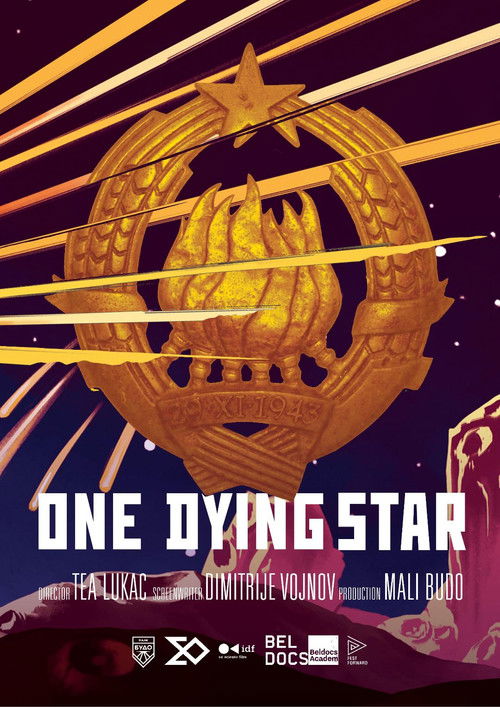
One Dying Star 2026
Step into the intriguing world of *One Dying Star (2026)*, a thought-provoking documentary directed by Tea Lukač that dissects the bold visions of science-fiction cinema.
Director: Tea Lukač
Frequently Asked Questions
What is One Dying Star (2026) about?
This documentary unravels the fascinating intersection of science-fiction cinema and political prophecy, focusing on films that imagined the trajectory of a socialist state that dissolved before their visions could materialize. It's a visual essay on how art attempts—and sometimes fails—to outlast the realities it seeks to anticipate.
Who directed One Dying Star?
Tea Lukač brings their keen analytical eye to this documentary, exploring the themes with a mix of archival depth and intellectual rigor.
Who stars in One Dying Star?
Cast details for One Dying Star (2026) are not publicly available at this time.
Is One Dying Star (2026) worth watching?
As a documentary blending historical analysis with sci-fi nostalgia, *One Dying Star* offers a unique perspective for film enthusiasts and history buffs alike. While it remains unrated, its ambitious premise and thematic richness make it a compelling watch for those interested in the intersection of politics and cinema.
How long is One Dying Star?
One Dying Star (2026) has a runtime of 90 minutes.
About One Dying Star (2026) — How Soviet Sci-Fi Films Predicted a World That Never Was
Step into the intriguing world of *One Dying Star (2026)*, a thought-provoking documentary directed by Tea Lukač that dissects the bold visions of science-fiction cinema. This film explores how genre classics attempted to foresee the fate of a socialist nation that collapsed before their predictions could unfold. Blending archive footage with sharp analysis, it examines the tension between futuristic storytelling and historical reality, creating a hauntingly poetic reflection on missed opportunities and the fragility of societal dreams.
*One Dying Star (2026)* captures the melancholic beauty of cinema as a time capsule, where celluloid dreams outlived the political systems they tried to imagine. Tea Lukač's documentary thrives on intellectual curiosity, weaving together themes of nostalgia, political science fiction, and the ephemeral nature of utopian ideals. The atmosphere is one of quiet reflection, inviting viewers to ponder the cyclical nature of history and the role of art in shaping—or failing to shape—our collective future.