
Schubert's Dream of Spring 1931
Dive into the bittersweet world of early 19th-century Vienna with *Schubert's Dream of Spring (1931)*, Richard Oswald's poignant drama that peels back the curtain on the life of Austrian composer Franz Schubert.
Director: Richard Oswald
Cast




Frequently Asked Questions
What is Schubert's Dream of Spring (1931) about?
This 1931 drama follows Franz Schubert, whose musical genius is matched only by his inability to win the heart of Countess Maria Esterhazy. As fate and personal setbacks test his resolve, Schubert finds himself entangled in a web of unspoken affections and artistic vulnerability.
Who directed Schubert's Dream of Spring?
Richard Oswald, known for his evocative storytelling and work in German cinema during the late silent and early sound eras, directs this intimate portrait of Schubert's emotional journey.
Who stars in Schubert's Dream of Spring?
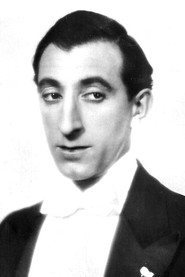
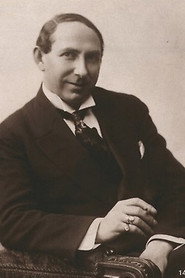
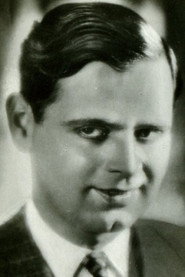
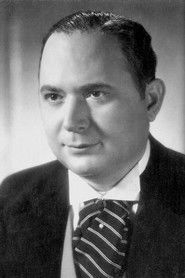
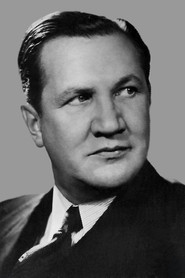
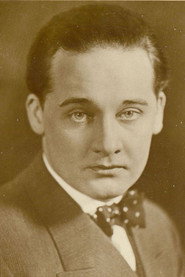
The film stars Carl Jöken as Franz Schubert, with Sig Arno, Gretl Theimer, and Lucie Englisch rounding out the principal cast in a tale of music, longing, and quiet desperation.
Is Schubert's Dream of Spring (1931) worth watching?
While lacking modern IMDb ratings, *Schubert's Dream of Spring* offers a rare glimpse into early 1930s European cinema with its delicate blend of romance and drama. Fans of biographical films and classical music will appreciate its nostalgic charm and emotional depth.
How long is Schubert's Dream of Spring?
Runtime details are not listed.
About Schubert's Dream of Spring (1931) — A Melancholic Ode to Franz Schubert's Unrequited Love
Dive into the bittersweet world of early 19th-century Vienna with *Schubert's Dream of Spring (1931)*, Richard Oswald's poignant drama that peels back the curtain on the life of Austrian composer Franz Schubert. This black-and-white gem paints a portrait of a man whose heart overflowed with melody but struggled to find harmony in love.
As Schubert himself, Carl Jöken captures the composer's gentle awkwardness and unrequited devotion to the radiant Countess Maria Esterhazy, whose admiration is reserved solely for his music. Behind the scenes, a more tangible affection simmers as the innkeeper Therese harbors secret feelings for him, offering a fragile lifeline when Schubert's teaching career falters. Through tender scenes and lush musical interludes, Oswald explores themes of artistic longing, unfulfilled romance, and the quiet desperation of genius pining from the shadows.