Pedra e Montanha 2026
Tetsuya Maruyama ventures deeper into the raw landscapes of modern mining in *Pedra e Montanha (2026)*, blending documentary precision with experimental artistry.
Director: Tetsuya Maruyama
Frequently Asked Questions
What is Pedra e Montanha (2026) about?
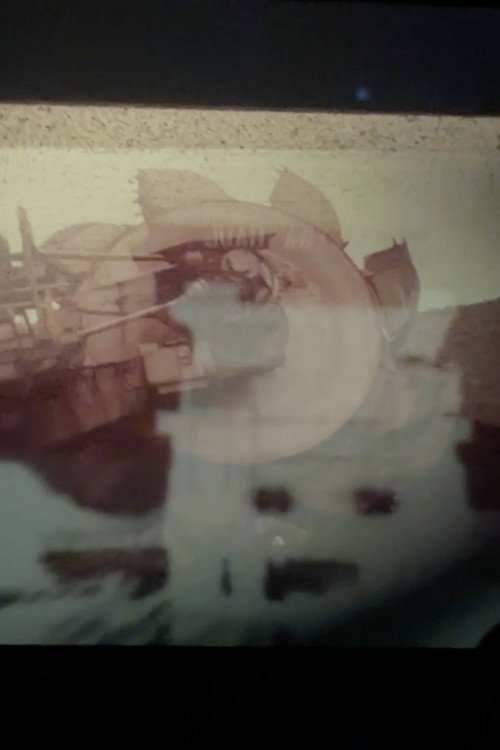
*Pedra e Montanha* peels back the layers of modern mining, using avant-garde projection techniques to reveal the hidden textures of extraction. Instead of interviews or voiceover, the film lets the visuals—projected slides of Brazilian mines manipulated live—drive its narrative, creating an immersive dialogue between art and industry. It's less a story and more an experience of light, scale, and consequence.
Who directed Pedra e Montanha?
The film is directed by Tetsuya Maruyama, a visual artist known for his innovative use of projection and experimental film techniques.
Who stars in Pedra e Montanha?
Cast details for *Pedra e Montanha (2026)* have not been announced.
Is Pedra e Montanha (2026) worth watching?
Considering its unique approach to documentary filmmaking and Maruyama's reputation for visually striking work, *Pedra e Montanha* is likely to appeal to fans of experimental cinema and those interested in the intersection of art and industrial landscapes. Its runtime is concise, making it accessible even for those new to the genre.
How long is Pedra e Montanha?
*Pedra e Montanha* runs for 50 minutes.
About Pedra e Montanha (2026) — Where Experimental Cinema Meets Mining's Harsh Poetry
Tetsuya Maruyama ventures deeper into the raw landscapes of modern mining in *Pedra e Montanha (2026)*, blending documentary precision with experimental artistry. The film unfolds through a hypnotic dance of 35mm slides, each frame a snapshot of Brazilian mining operations captured by the artist himself. A custom-built aperture machine manipulates these images in real time, transforming static footage into a mesmerizing collage of light, texture, and industrial scale. The result is a meditative yet urgent exploration of extraction's visual poetry and environmental toll, where every shadow and shard of rock tells a story of human ambition clashing with nature.
Stripped of conventional narrative, *Pedra e Montanha (2026)* thrives on sensory immersion. The flickering slides evoke the rhythm of machinery at work, while the interplay of light and shadow mirrors the duality of mining as both lifeblood of progress and scar on the earth. Maruyama's work invites viewers to confront the unseen faces of resource exploitation, framed not through statistics but through the stark, unfiltered beauty of industrial landscapes.