Viaje a la explotación 1974
Step back to 1974 Barcelona under Franco's shadow, where the silent struggle of undocumented Moroccan workers played out in plain sight.
Director: Mercè Conesa
Frequently Asked Questions
What is Viaje a la explotación (1974) about?
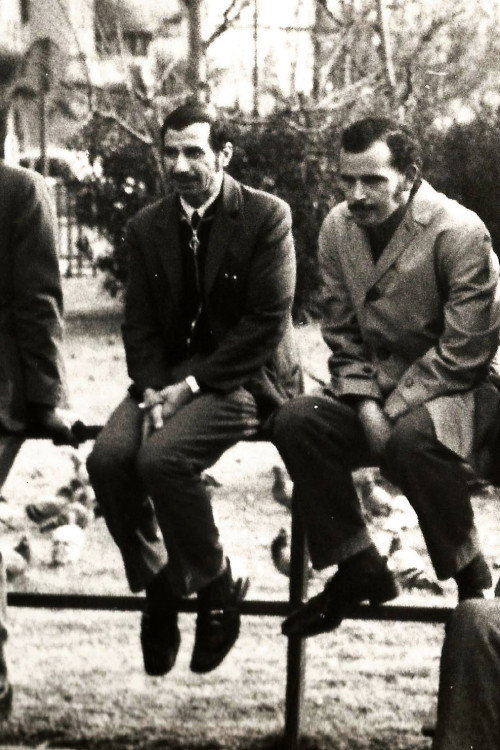
This documentary follows undocumented Moroccan immigrants arriving in Barcelona during Francisco Franco's dictatorship, exposing the grim realities of their job search and the systemic exploitation they faced. It's a stark portrayal of survival against impossible odds in a city both welcoming and unforgiving.
Who directed Viaje a la explotación?
Mercè Conesa directed Viaje a la explotación, a film that stands as one of her most notable contributions to Spanish documentary cinema during a politically charged era.
Who stars in Viaje a la explotación?
Director information is not available.
Is Viaje a la explotación (1974) worth watching?
Though unrated on IMDb, this 19-minute documentary offers a rare, unfiltered look at a pivotal moment in Spanish social history. Its historical significance and raw storytelling make it compelling for fans of political documentaries and those interested in migration narratives.
How long is Viaje a la explotación?
Viaje a la explotación runs for 19 minutes.
About Viaje a la explotación (1974) — A raw look at immigrant labor in 1970s Spain
Step back to 1974 Barcelona under Franco's shadow, where the silent struggle of undocumented Moroccan workers played out in plain sight. Mercè Conesa's short documentary Viaje a la explotación captures their dangerous journey—risking everything for a job that never guaranteed safety or dignity. Shot in raw, observational style, the film peels back layers of a city's underbelly, revealing exploitation woven into the fabric of daily survival. Its stark, unflinching lens turns a national policy blind spot into human drama, resonating with themes of migration, labor, and resilience. The 19-minute runtime belies its weight, leaving viewers with more questions than answers about who truly benefits from such desperate voyages.
As one of Spain's earliest films to spotlight immigration amid political repression, Viaje a la explotación (1974) remains a potent time capsule. Though modest in scale, its honesty cuts deep, offering a glimpse into a chapter of history often overlooked. The documentary's atmosphere is charged with tension—between hope and hardship, visibility and invisibility—making it both a historical record and a poignant reminder of how little has changed in the fight for fair labor across borders.