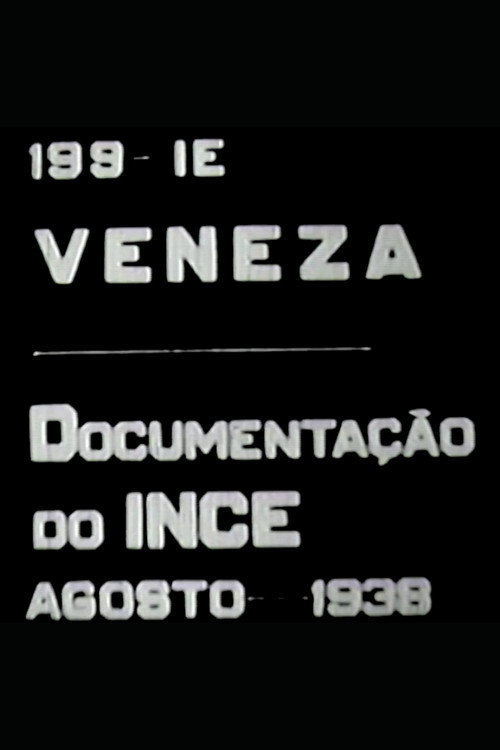
Veneza 1938
Humberto Mauro's *Veneza (1938)* is a captivating documentary that transports viewers to the heart of Venice, but not the iconic Italian city—instead, it immerses audiences in the essence of Brazilian life framed by the charm of a city named after the famed Italian waterway.
Director: Humberto Mauro
Frequently Asked Questions
What is Veneza (1938) about?
*Veneza (1938)* is a documentary that explores a city bearing the name of Venice, offering a poetic portrayal of its architecture, culture, and daily life in 1938. Directed by Humberto Mauro, the film captures the essence of this lesser-known urban space through striking visuals and a nostalgic perspective.
Who directed Veneza?
Humberto Mauro is the director behind *Veneza (1938)*. Known for his contributions to Brazilian cinema, Mauro crafted this documentary with a unique artistic vision.
Who stars in Veneza?
Director information is not available.
Is Veneza (1938) worth watching?
*Veneza (1938)* may not be widely known, but it offers a fascinating glimpse into early Brazilian documentary filmmaking. As an unrated film, its value lies in its historical and cultural significance rather than mainstream appeal. Fans of vintage cinema or documentary enthusiasts will likely find it intriguing.
How long is Veneza?
Runtime details are not listed.
About Veneza (1938) — A Glimpse into Brazilian Life Through a Cinematic Lens
Humberto Mauro's *Veneza (1938)* is a captivating documentary that transports viewers to the heart of Venice, but not the iconic Italian city—instead, it immerses audiences in the essence of Brazilian life framed by the charm of a city named after the famed Italian waterway. Through striking visuals and a poetic lens, Mauro captures the rhythms of daily life in this serene urban landscape, blending cultural insight with a nostalgic gaze. The film unfolds like a time capsule, revealing the interplay between architecture, community, and tradition in a setting where modernity and tradition coexist. Its black-and-white cinematography enhances the timeless quality of the scenes, evoking a sense of wonder and curiosity about a place often overlooked in cinematic history.
As a pioneering work in Brazilian documentary filmmaking, *Veneza (1938)* stands out for its artistic ambition and historical significance. Mauro's direction emphasizes authenticity, presenting a snapshot of life that feels both intimate and grand. The documentary's themes of cultural identity and the passage of time resonate deeply, offering viewers a glimpse into a bygone era where the spirit of a place is preserved through the lens of cinema. Whether you're a history enthusiast or a fan of documentary filmmaking, this film promises a unique journey into the past, framed by the poetic beauty of its setting.