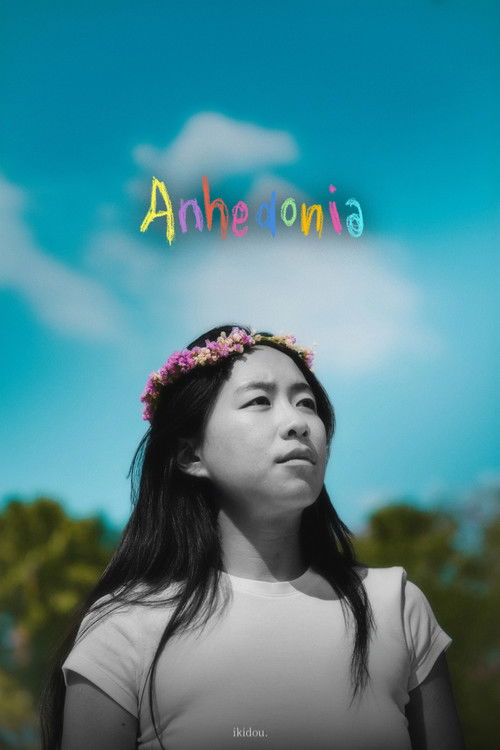
Anhedonia 2026
"Death is not the enemy. A life without joy is."
Grieving mother Tubtim finds herself trapped in a silent world after losing her daughter, waging a quiet battle against an unseen foe: her own refusal to embrace joy.
Director: Tharathep Wisit-udonkarn
Cast
Frequently Asked Questions
What is Anhedonia (2026) about?
After losing her daughter, a grieving mother punishes herself by rejecting every sliver of joy, trapping her in a cycle of sorrow. The film follows her emotional journey as she confronts the harsh reality that clinging to pain may be her greatest obstacle to peace.
Who directed Anhedonia?
Tharathep Wisit-udonkarn directs this intimate family drama, bringing a delicate touch to themes of loss and self-denial.
Who stars in Anhedonia?
The film features standout performances from Panita Hutacharern, Phakpoom Surapongsanuruk, Marin Suttachiwathep, and Matewarin Luengjuthakorntachiwathep.
Is Anhedonia (2026) worth watching?
Though short in runtime, this drama offers a deeply moving exploration of grief and resilience. Its raw emotional weight and thoughtful direction make it compelling for fans of family dramas, even without an IMDb rating to guide expectations.
How long is Anhedonia?
The film runs for 11 minutes.
About Anhedonia (2026): A Heartbreaking Family Drama Unfolds in 11 Minutes
Grieving mother Tubtim finds herself trapped in a silent world after losing her daughter, waging a quiet battle against an unseen foe: her own refusal to embrace joy. Directed by Tharathep Wisit-udonkarn, this poignant 11-minute drama unfolds like a whispered memory, blending raw emotion with subtle storytelling. Set against an intimate family backdrop, the film explores themes of loss, self-denial, and the painful paradox of mourning—where absence feels louder than presence.
With a minimalist approach, *Anhedonia (2026)* crafts a deeply atmospheric experience, relying on powerful performances from Panita Hutacharern and Phakpoom Surapongsanuruk to convey what words cannot. The director's sensitive touch transforms personal tragedy into a universal reflection on healing, making it a standout in the family drama genre, where every frame feels deliberate and every silence speaks volumes.