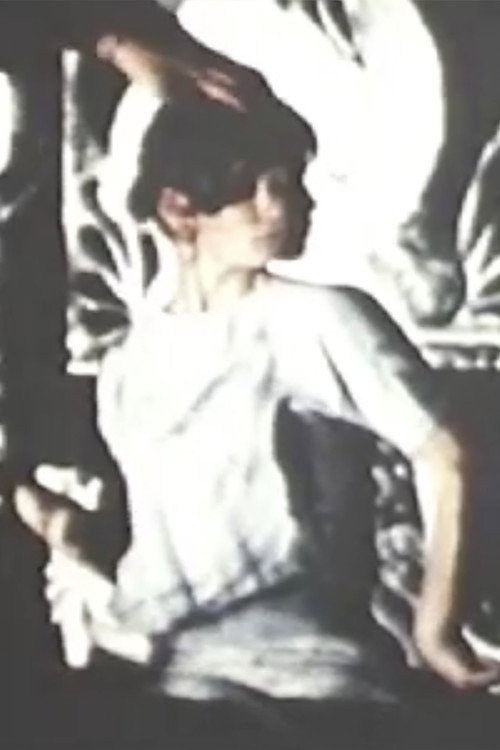
To Be Silent Is The Most Painful Part 1985
A haunting exploration of identity and inherited pain, *To Be Silent Is The Most Painful Part* (1985) is a six-minute experimental short by director Cheryl Edwards that blends personal history with striking visual metaphors.
Director: Cheryl Edwards
Frequently Asked Questions
What is To Be Silent Is The Most Painful Part (1985) about?
This experimental short film by Cheryl Edwards uses the metaphor of shedding skin to explore themes of inherited trauma and identity. Through a mix of personal family images and iconic paintings, the protagonist's body becomes a layered archive of archetypes, revealing the silent pain carried across generations.
Who directed To Be Silent Is The Most Painful Part?
Cheryl Edwards directed *To Be Silent Is The Most Painful Part* (1985), crafting a visually arresting meditation on memory and the body.
Who stars in To Be Silent Is The Most Painful Part?
The cast of *To Be Silent Is The Most Painful Part* includes an unnamed protagonist whose presence drives the film's symbolic narrative.
Is To Be Silent Is The Most Painful Part (1985) worth watching?
For fans of avant-garde cinema and experimental storytelling, *To Be Silent Is The Most Painful Part* offers a provocative six-minute experience. While the film's abstract nature may not appeal to everyone, its bold visual language and thematic depth make it a memorable entry in 1980s short filmmaking.
How long is To Be Silent Is The Most Painful Part?
The runtime of *To Be Silent Is The Most Painful Part* is six minutes.
About To Be Silent Is The Most Painful Part (1985) — A visceral short film exploring trauma and identity through art and family history
A haunting exploration of identity and inherited pain, *To Be Silent Is The Most Painful Part* (1985) is a six-minute experimental short by director Cheryl Edwards that blends personal history with striking visual metaphors. The film weaves together black-and-white images of classic paintings with the filmmaker's own family archives, using the unsettling metaphor of skin being peeled back to reveal layered archetypes. Edwards crafts an atmosphere that oscillates between raw intimacy and cold detachment, forcing viewers to confront the weight of familial and cultural narratives embedded in the body. The result is a visceral, thought-provoking piece that lingers like a half-remembered dream.
Starring an unnamed protagonist whose body becomes a canvas for these projections, the film defies traditional genre conventions while tapping into themes of memory, trauma, and the silent suffering that lingers beneath the surface. Edwards' approach to cinematography and editing transforms the screen into a space of quiet rebellion, where every frame feels deliberate and charged with subtext. Whether you're drawn to avant-garde cinema or simply curious about how film can challenge perception, this short offers a uniquely compelling experience that demands attention and reflection.