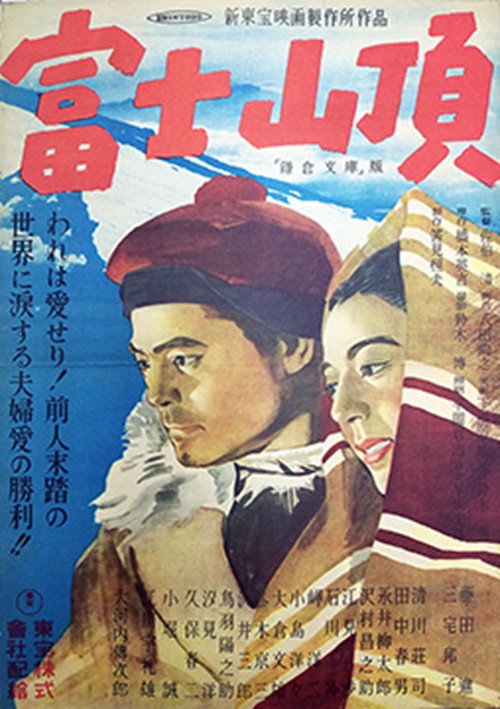
Fujisancho 1948
Set against the post-war backdrop of Japan, *Fujisancho (1948)* weaves a poignant drama under the direction of Kiyoshi Saeki, exploring themes of resilience, human dignity, and the quiet strength found in everyday struggles.
Director: Kiyoshi Saeki
Cast

Frequently Asked Questions
What is Fujisancho (1948) about?
*Fujisancho (1948)* is a post-war Japanese drama that delves into the lives of everyday citizens rebuilding their world after great turmoil. Through the lens of personal sacrifices and quiet triumphs, the film captures the resilience of ordinary people in a time of transformation.
Who directed Fujisancho?
Fujisancho was directed by Kiyoshi Saeki, a filmmaker known for his sensitive portrayal of human experiences in post-war cinema.
Who stars in Fujisancho?
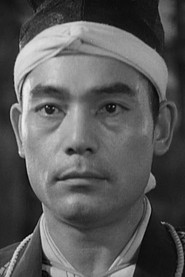
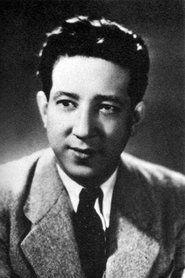
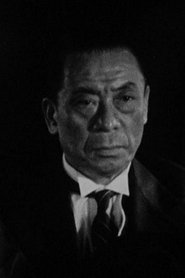
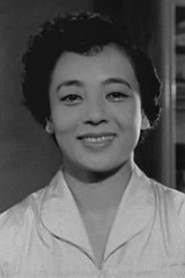
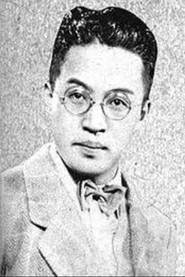
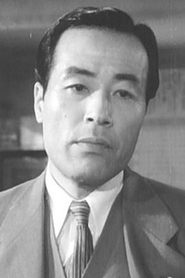
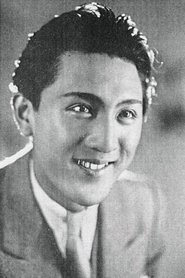
The film features a stellar cast including Susumu Fujita, Setsuko Hara, Ureo Egawa, Shūji Kawabe, and Makoto Kobori, each bringing depth to their roles.
Is Fujisancho (1948) worth watching?
While unrated on IMDb, *Fujisancho (1948)* is a hidden gem of post-war Japanese drama, offering a rare blend of emotional depth and historical context. Its themes of resilience and humanity make it a quietly powerful viewing experience.
How long is Fujisancho?
Runtime details are not listed.
Fujisancho (1948): A Post-War Drama of Resilience and Hope — Full Movie Info
Set against the post-war backdrop of Japan, *Fujisancho (1948)* weaves a poignant drama under the direction of Kiyoshi Saeki, exploring themes of resilience, human dignity, and the quiet strength found in everyday struggles. This gem of Japanese cinema follows ordinary citizens navigating a world still grappling with scars of the past, where their stories unfold with a gentle yet profound emotional depth. Starring the legendary Susumu Fujita and the iconic Setsuko Hara, the film blends subtle performances with atmospheric storytelling, painting a vivid portrait of a society in transition. The sweeping presence of Mount Fuji looms as both a symbolic anchor and a silent witness to the characters' journeys, grounding the narrative in a sense of timeless beauty and struggle.
The film thrives on its intimate character studies, where personal sacrifices and small victories resonate with universal appeal. With a focus on human connection and the unspoken bonds between people, *Fujisancho (1948)* captures the quiet heroism of ordinary lives. Its drama unfolds with a restrained elegance, leaving viewers with a lingering sense of hope and reflection. A lesser-known but deeply moving entry in post-war Japanese cinema, it stands as a testament to storytelling that lingers long after the credits roll.