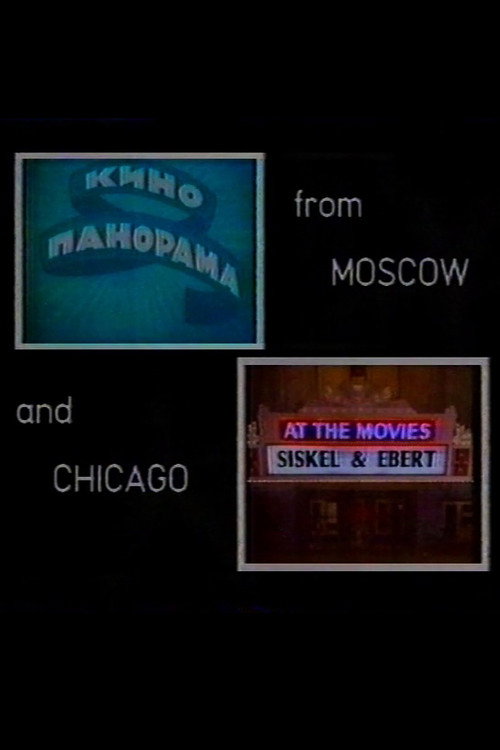
Visions: From Moscow and Chicago 1984
Step behind the Iron Curtain and across the ocean in this revealing 1984 documentary that places two television film-criticism programs side by side. Directed by Ron Orders, the hour-long program contrasts an episode of the U.S.
Director: Ron Orders
Frequently Asked Questions
What is Visions: From Moscow and Chicago (1984) about?
This documentary puts two television film-criticism shows head-to-head: one from the U.S. and one from the USSR. It explores how American and Soviet reviewers discussed movies at the height of the Cold War, revealing both contrasts and unexpected connections.
Who directed Visions: From Moscow and Chicago?
The film was directed by Ron Orders, a documentarian who specialized in cross-cultural media analysis during the 1980s.
Who stars in Visions: From Moscow and Chicago?
Cast information is not listed for this episode-based documentary.
Is Visions: From Moscow and Chicago (1984) worth watching?
As a concise historical artifact, it's a fascinating time capsule for Cold War and film-buff audiences. The 53-minute runtime keeps it brisk, though its IMDb page remains unrated.
How long is Visions: From Moscow and Chicago?
The documentary runs 53 minutes.
About Visions: From Moscow and Chicago (1984) — A Cold-War lens on film criticism
Step behind the Iron Curtain and across the ocean in this revealing 1984 documentary that places two television film-criticism programs side by side. Directed by Ron Orders, the hour-long program contrasts an episode of the U.S. syndicated series At the Movies with an episode of the Soviet counterpart Kinopanorama, offering a vivid snapshot of how two superpowers critiqued cinema during the final decade of the Cold War.
Against the backdrop of tightly controlled state broadcasting in Moscow and the freewheeling commercial television of Chicago, Visions: From Moscow and Chicago captures a moment when celluloid became an unlikely battleground for cultural diplomacy. The film's brisk pacing and archival footage lend it the feel of a time-capsule, while its focus on the universal language of film criticism highlights surprising common ground between otherwise divergent societies.