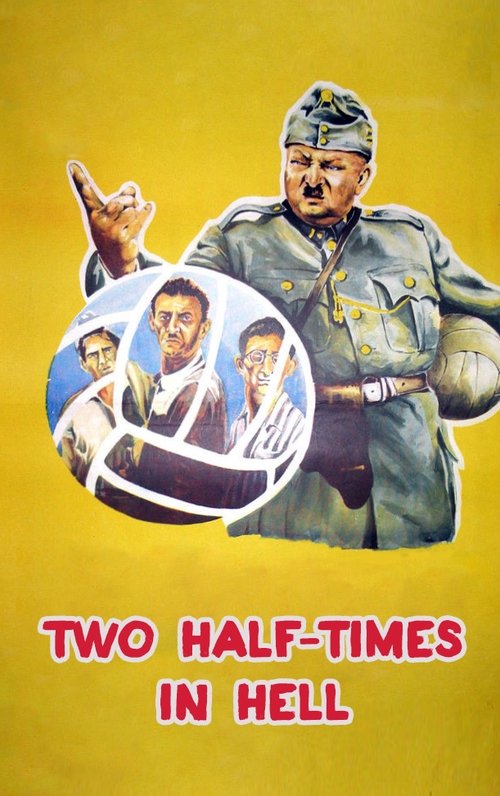
Two Half-Times in Hell 1961
Zoltán Fábri's gripping war drama *Two Half-Times in Hell* (1961) plunges viewers into a harrowing game of life and death, set against the backdrop of a 1943 soccer match staged by Nazi officers to celebrate Hitler's birthday.
Director: Zoltán Fábri
Cast







Frequently Asked Questions
What is *Two Half-Times in Hell* (1961) about?
The film follows a group of Hungarian political prisoners forced to play a soccer match against their German captors in 1943, a twisted spectacle organized to celebrate Hitler's birthday. Among them is a former football star whose skill becomes both a weapon and a symbol of resistance against their oppressors.
Who directed *Two Half-Times in Hell*?
The film was directed by Zoltán Fábri, a celebrated Hungarian filmmaker known for his poignant and socially conscious dramas that often explore themes of resistance and human endurance.
Who stars in *Two Half-Times in Hell*?
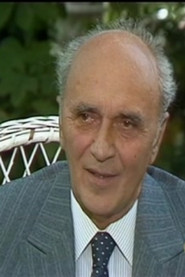
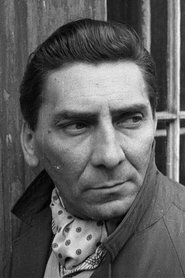
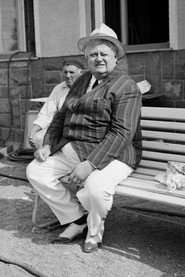
The film features a powerhouse cast led by Imre Sinkovits, Dezső Garas, and László Márkus, with standout performances that amplify the film's emotional and dramatic weight.
Is *Two Half-Times in Hell* (1961) worth watching?
While *Two Half-Times in Hell* isn't a feel-good film, its gripping narrative and historical significance make it a compelling watch for fans of war dramas and thought-provoking cinema. Its blend of sports, tension, and wartime brutality offers a unique and memorable viewing experience.
How long is *Two Half-Times in Hell*?
The film runs for 120 minutes, offering a tight, immersive experience that balances intense drama with the pacing of a high-stakes soccer match.
About Two Half-Times in Hell (1961) — A Harrowing Soccer Match in Nazi-Occupied Hungary
Zoltán Fábri's gripping war drama *Two Half-Times in Hell* (1961) plunges viewers into a harrowing game of life and death, set against the backdrop of a 1943 soccer match staged by Nazi officers to celebrate Hitler's birthday. The contest isn't just a game—it's a brutal spectacle in which a team of Hungarian political prisoners, including a once-famous pre-war football star, faces off against their German captors. As tensions rise on the pitch, the match becomes a microcosm of resistance and oppression, blending the thrill of competition with the suffocating weight of wartime tyranny. Fábri crafts an atmosphere thick with tension, where every pass and tackle echoes the prisoners' defiance and the soldiers' cruelty.
The film's power lies in its stark contrast: the camaraderie of the prisoners against the cold mechanization of their oppressors, all unfolding under the guise of a sporting event. With razor-sharp direction and a cast that delivers raw, emotional performances, *Two Half-Times in Hell* transcends its wartime setting to explore themes of courage, solidarity, and the unbreakable spirit of humanity even in the darkest corners of history.