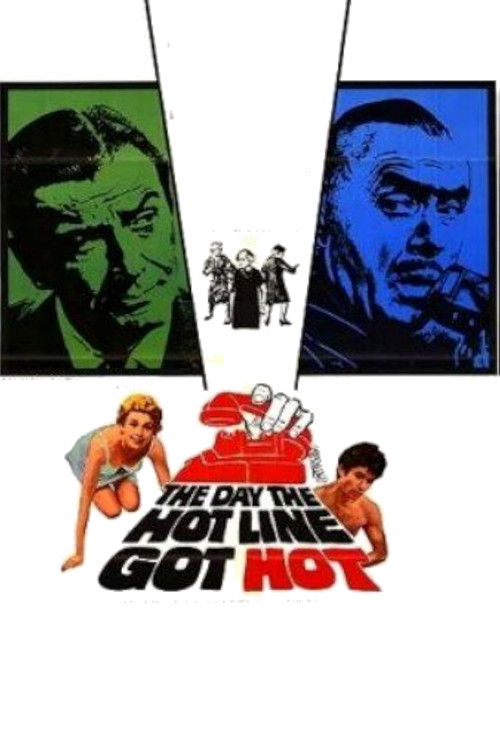
The Day the Hot Line Got Hot 1968
"A DOUBLE AGENT IN AN INTERNATIONAL DOUBLE CROSS!"
In Étienne Périer's razor-sharp 1968 Cold War comedy *The Day the Hot Line Got Hot*, high-stakes espionage meets absurdist humor when a double agent hijacks the ultra-secret hotline connecting Washington and Moscow.
Director: Étienne Périer
Cast






Frequently Asked Questions
What is The Day the Hot Line Got Hot (1968) about?
A cunning double agent steals the top-secret hotline number linking Washington and Moscow, then misuses it to pit the two superpowers against their own spy chiefs. What follows is a madcap cascade of misinformation, diplomatic blunders, and escalating international chaos—all played for laughs in this Cold War-era spy spoof.
Who directed The Day the Hot Line Got Hot?
Étienne Périer, the Belgian director known for blending drama and comedy in high-stakes settings, steered this razor-sharp satire of Cold War paranoia.
Who stars in The Day the Hot Line Got Hot?
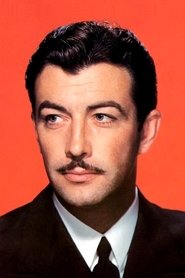
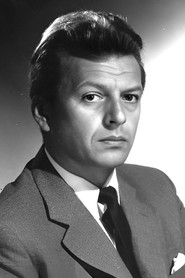
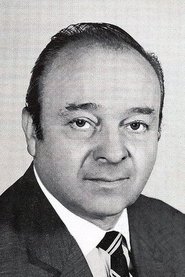
The film features Charles Boyer as the manipulative double agent, opposite Robert Taylor and George Chakiris, with Marie Dubois adding an extra layer of intrigue.
Is The Day the Hot Line Got Hot (1968) worth watching?
With its tight runtime and sharp cast, *The Day the Hot Line Got Hot* delivers a lighthearted but clever take on Cold War tensions that still feels relevant. While not a blockbuster, its blend of satire and spy shenanigans makes it a fun watch for fans of vintage comedies with a twist.
How long is The Day the Hot Line Got Hot?
The film runs for 96 minutes (1 hour 36 minutes).
About The Day the Hot Line Got Hot (1968) — A Cold War Comedy Where Espionage Meets Absurdity
In Étienne Périer's razor-sharp 1968 Cold War comedy *The Day the Hot Line Got Hot*, high-stakes espionage meets absurdist humor when a double agent hijacks the ultra-secret hotline connecting Washington and Moscow. What begins as a simple heist of the world's most classified phone number spirals into a frenetic game of telephone terrorism, as the rogue agent manipulates both superpowers into suspecting their top spies of treachery. With Charles Boyer as the suave villain and Robert Taylor lending gravitas to the fray, the film delivers a brisk 96-minute ride through betrayal, bureaucracy, and bureaucratic bumbling. The atmosphere crackles with the paranoia of the era, blending slapstick chaos with the tension of a geopolitical tinderbox.
The comedy thrives on the absurdity of spycraft gone rogue, where every call escalates the crisis and no one—not even the heads of state—can trust the next voice on the line. Périer's direction keeps the pace relentless, ensuring that even as the stakes rise, the laughs never lag. It's a razor-thin tightrope walk between satire and sincerity, a film that skewers the Cold War's absurdity while riding its very real anxieties.